Industrial Pneumatic Lockouts play a critical role in maintaining workplace safety, particularly in facilities that rely heavily on pneumatic systems. These devices are designed to isolate compressed air sources from machinery, preventing accidental activation during maintenance or repair. The primary purpose of Industrial Pneumatic Lockouts is to protect personnel from unexpected equipment movements, which can cause severe injuries or even fatalities if safety measures are not properly implemented.
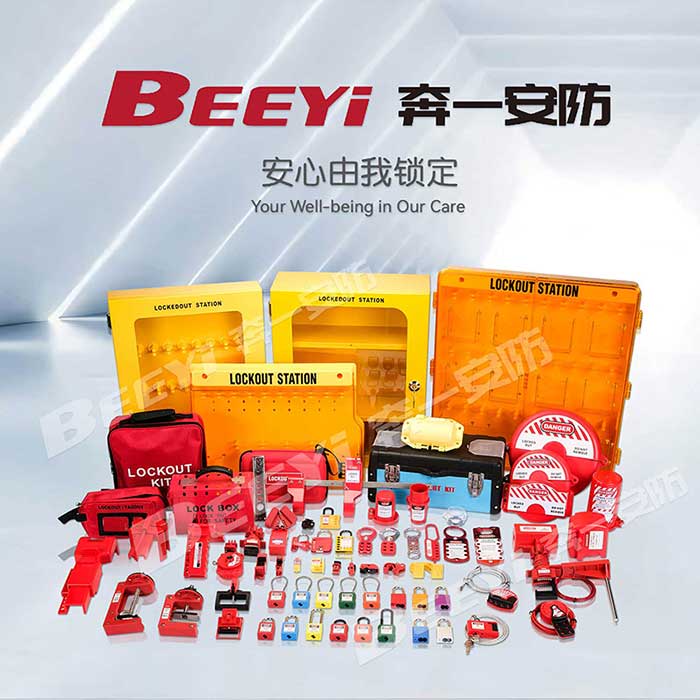
Pneumatic systems are widely used in industrial environments due to their efficiency and reliability. They power a variety of machinery, including pneumatic actuators, conveyors, and automated assembly lines. Despite their advantages, these systems pose significant hazards during maintenance, as compressed air can cause rapid, uncontrolled motion of machinery. Industrial Pneumatic Lockouts mitigate these risks by providing a secure method to disconnect or block air supply, ensuring that machinery remains inactive until maintenance work is completed. The principle behind Industrial Pneumatic Lockouts is straightforward yet highly effective. These devices physically block or isolate the air supply to a system, often through a valve or connector that can be locked in place. Once engaged, the lockout prevents the opening of the air valve, effectively eliminating the possibility of accidental pressurization. Most lockouts are compatible with padlocks or other locking mechanisms, allowing multiple maintenance personnel to secure the system simultaneously. This feature ensures accountability and compliance with safety protocols.