In industrial and manufacturing settings, safety is paramount, especially when it comes to ensuring that workers are protected from the dangers of unexpected equipment startups during maintenance or repair. One critical component of workplace safety is the Lockout/Tagout (LOTO) program, which includes the use of Lockout Hasps. These safety devices play an essential role in preventing unauthorized access to hazardous energy sources during maintenance activities. To ensure the proper implementation and maintenance of Lockout Hasps, comprehensive technical support is necessary. This article explores the key aspects of Lockout Hasps technical support, focusing on product selection, installation, usage, compliance, and customization.
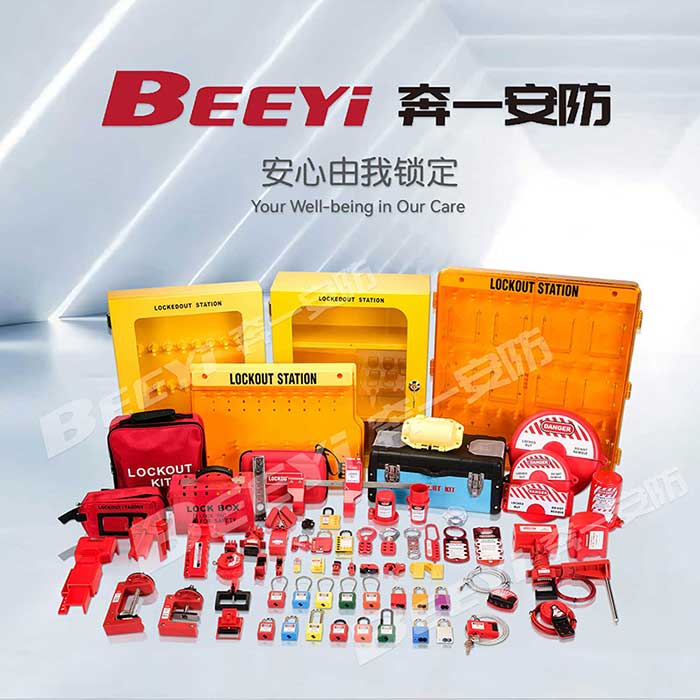
What is a Lockout Hasp? A Lockout Hasp is a device used to lock out equipment during maintenance or repair activities. The hasp allows multiple workers to secure a single energy isolation point with their own individual locks, ensuring that each worker has control over their part of the maintenance process. It is an essential tool in the Lockout/Tagout procedure, which aims to protect employees from being injured by hazardous energy while working on machinery or equipment. Lockout Hasps are designed to hold multiple padlocks and can be attached to an energy-isolating device, such as a circuit breaker or valve, ensuring that no one can accidentally turn the equipment back on. Typically, they are made from durable materials such as steel or aluminum and are available in various sizes to fit different equipment types.