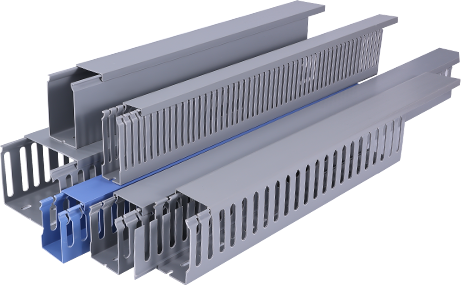
As heating, ventilation, and air conditioning (HVAC) systems continue to evolve to meet changing building requirements, modular duct systems have emerged as a transformative solution for modern construction and retrofitting projects. Unlike traditional custom-fabricated ductwork that requires on-site cutting, shaping, and assembly, modular duct systems are pre-engineered into standardized, interchangeable components that can be quickly combined to fit almost any space. This innovative approach has reshaped how contractors, architects, and building owners approach air distribution, bringing a range of benefits that address many longstanding pain points of conventional ductwork. From small commercial fit-outs to large industrial facilities, the adoption of modular duct systems is growing rapidly, driven by the demand for flexibility, efficiency, and cost-effectiveness in building infrastructure.
First, the core advantage of a modular duct system lies in its unmatched installation efficiency compared to traditional ductwork. Traditional duct fabrication requires skilled sheet metal workers to measure, cut, bend, and seal each section on-site, a process that can take days or even weeks depending on the size of the project. Modular duct components are manufactured in controlled factory environments with precise dimensions and pre-finished connections, meaning contractors only need to transport the pre-made parts to the site and lock them together according to the design plan. This cuts installation time by up to 50% in most cases, allowing project managers to meet tighter construction deadlines and reduce labor costs significantly. For retrofitting projects in occupied buildings, faster installation also means less disruption to daily operations, a critical benefit for offices, retail stores, and healthcare facilities that cannot afford extended downtime.
Secondly, modular duct systems offer exceptional design flexibility that adapts to changing building needs over time. One of the biggest drawbacks of fixed traditional ductwork is that it cannot be easily modified if the building layout changes, such as when an office is reconfigured or a new partition is added. Modular ducts are designed to be disassembled and reconfigured, so building owners can simply remove unnecessary sections, add new components, or reroute the duct system to match the new layout without replacing the entire infrastructure. This flexibility is particularly valuable in commercial spaces that undergo frequent tenant changes or layout adjustments, as it extends the service life of the HVAC system and reduces long-term renovation costs. Additionally, the standardized component design allows architects and engineers to adjust the system layout during the design phase quickly, accommodating unexpected structural obstacles or last-minute client requests without major delays.
Furthermore, modular duct systems deliver consistent performance and improved energy efficiency compared to many traditional on-site fabricated ductworks. Because all components are produced in factories with strict quality control, the dimensions and sealing of each section are far more precise than on-site work, which eliminates common issues such as air leaks, uneven pressure distribution, and poor insulation. Studies from the U.S. Department of Energy show that leaky traditional ductwork can waste up to 30% of conditioned air, leading to higher energy consumption and increased utility bills. The tight, pre-engineered connections of modular duct systems minimize air leakage, ensuring that heated or cooled air reaches its intended destination efficiently, which in turn reduces the load on HVAC equipment and lowers energy costs over the system’s lifespan. Many modular duct products also come with pre-applied high-performance insulation, which further improves thermal efficiency and reduces condensation buildup, contributing to a more comfortable and sustainable indoor environment.
Another important benefit of modular duct systems is their positive impact on project sustainability and waste reduction. Traditional on-site duct fabrication generates a significant amount of construction waste, including scrap sheet metal, excess insulation, and packaging materials, most of which end up in landfills. In contrast, modular components are cut to exact sizes during factory production, which reduces construction waste by more than 90% in most projects. Additionally, because modular ducts can be reused and reconfigured in new locations if the building is renovated or demolished, the materials stay in use longer instead of being discarded after a single use. Many manufacturers also use recycled materials in the production of modular duct components, further lowering the carbon footprint of the system. For construction projects aiming for green building certifications such as LEED, the sustainable attributes of modular duct systems can contribute valuable points toward certification requirements.
In conclusion, the modular duct system represents a significant advancement in HVAC air distribution technology, addressing many of the limitations of traditional ductwork while offering compelling benefits for contractors, building owners, and the environment. From faster, lower-cost installation to long-term flexibility and improved energy efficiency, this innovative solution is well-suited to the demands of modern construction and retrofitting. As the construction industry continues to prioritize sustainability, efficiency, and adaptability, the adoption of modular duct systems is expected to grow even further, becoming the standard choice for a wide range of building projects. For anyone planning a new HVAC installation or renovation, considering a modular duct system is a strategic choice that delivers lasting value in terms of cost, performance, and sustainability.