Motor Control Power Relay is an integral component in the electrical systems of industries, households, and commercial applications that use electric motors. These relays play a vital role in protecting motors from electrical faults, ensuring their reliable operation, and controlling their start/stop functions. In this article, we will explore the significance of Motor Control Power Relays, their operation, types, and applications, and why they are crucial for efficient motor management.
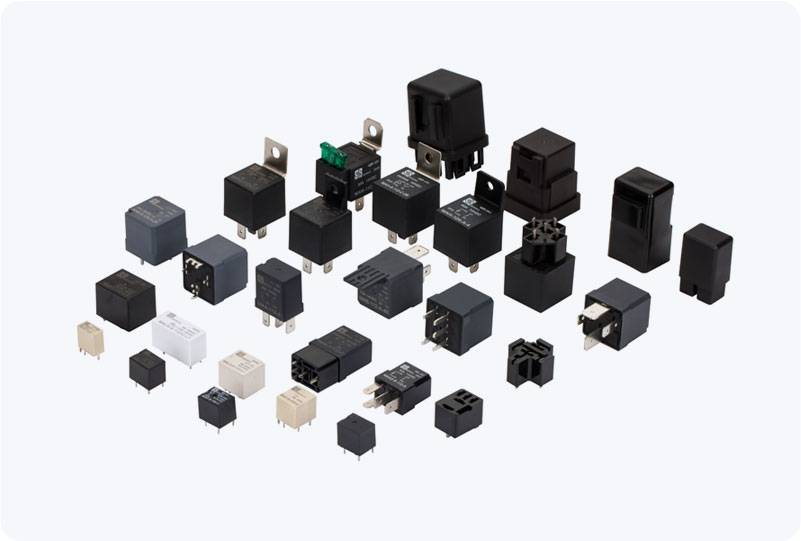
What is a Motor Control Power Relay? A Motor Control Power Relay is an electromechanical device designed to manage the electrical power that flows to a motor. It acts as a switch controlled by a low-power signal from a control system, such as a programmable logic controller (PLC) or a simple start/stop switch. By turning the relay on or off, it can engage or disengage the motor’s power supply, enabling or disabling the motor’s operation. These relays are specifically engineered to handle the high voltage and current that electric motors require while protecting them from overloads, faults, and damage. Motor Control Power Relays are commonly used in conjunction with other components, such as contactors, overload relays, and fuses, to form a complete motor protection and control circuit.