The Panasonic Power Relay is a critical component in many electrical systems, offering efficient and reliable control of high-voltage and high-current circuits. These relays are designed to ensure optimal performance in a variety of applications, from household appliances to industrial machinery. As a key player in the field of electrical relays, Panasonic’s commitment to quality and innovation has made its power relays highly sought after in diverse industries. In this article, we will explore the features, applications, and benefits of Panasonic Power Relays, and how they contribute to the efficiency and reliability of electrical systems.
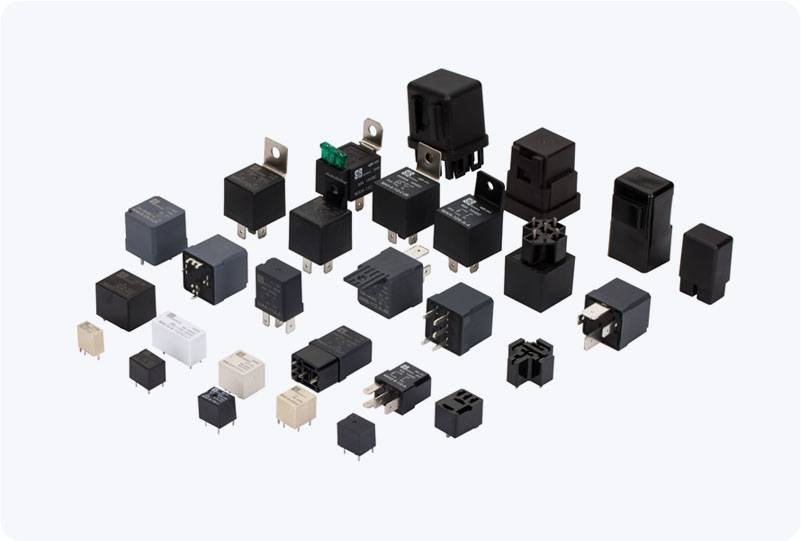
What is a Power Relay? A power relay is an electrically operated switch used to control a circuit by opening and closing its contacts in response to a control signal. Power relays are typically employed in situations where high power or high voltage is involved, allowing low-power devices to control larger systems safely and effectively. The Panasonic Power Relay is engineered to handle heavy electrical loads while maintaining precision and safety. Its primary function is to act as a bridge between control circuits and power circuits, allowing electrical systems to operate more efficiently.