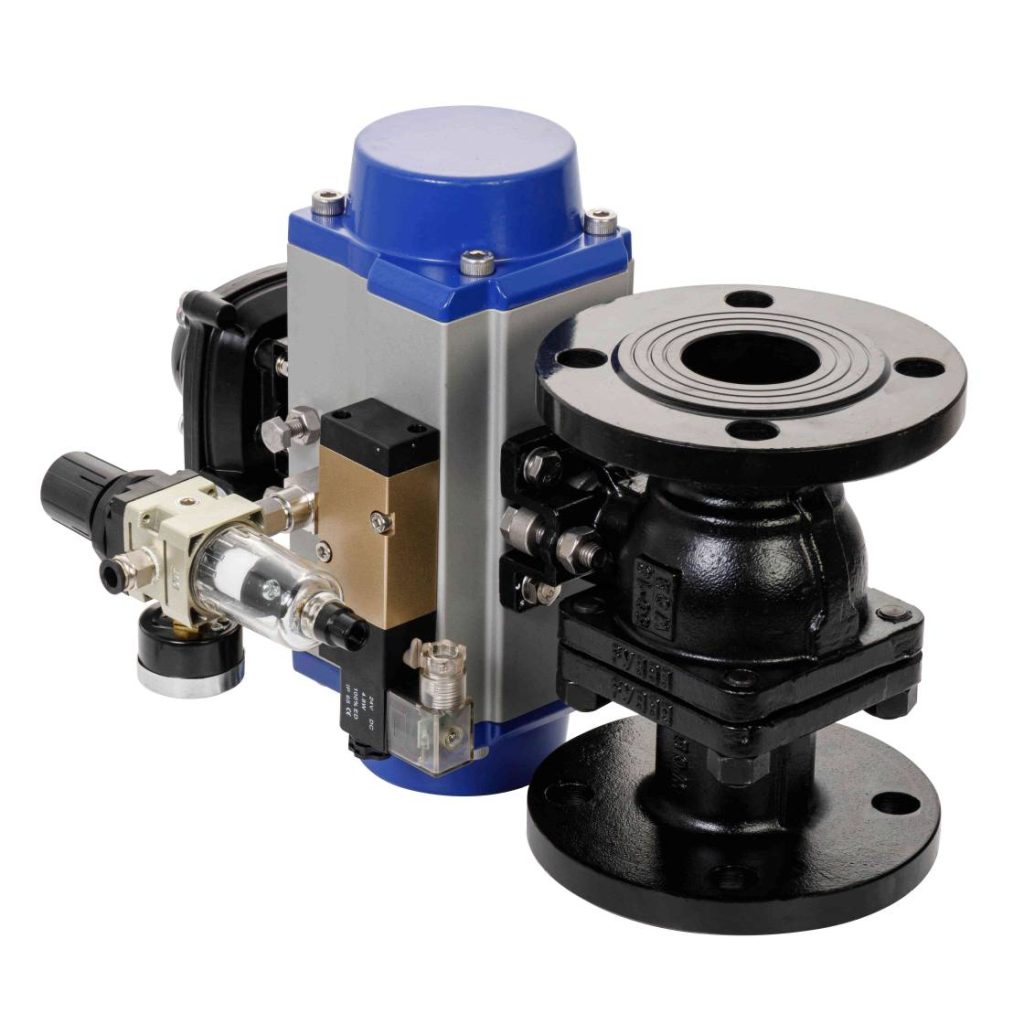
Pneumatic ball valves have become a cornerstone of modern fluid control systems across various industries, including chemical processing, oil and gas, water treatment, and food and beverage. These valves, when actuated by pneumatic pressure, offer reliable, efficient, and precise control over the flow of liquids, gases, and slurries. As the demand for automation and efficient fluid control systems continues to rise, the role of pneumatic ball valve manufacturers becomes even more critical in meeting industry standards and driving technological advancements.
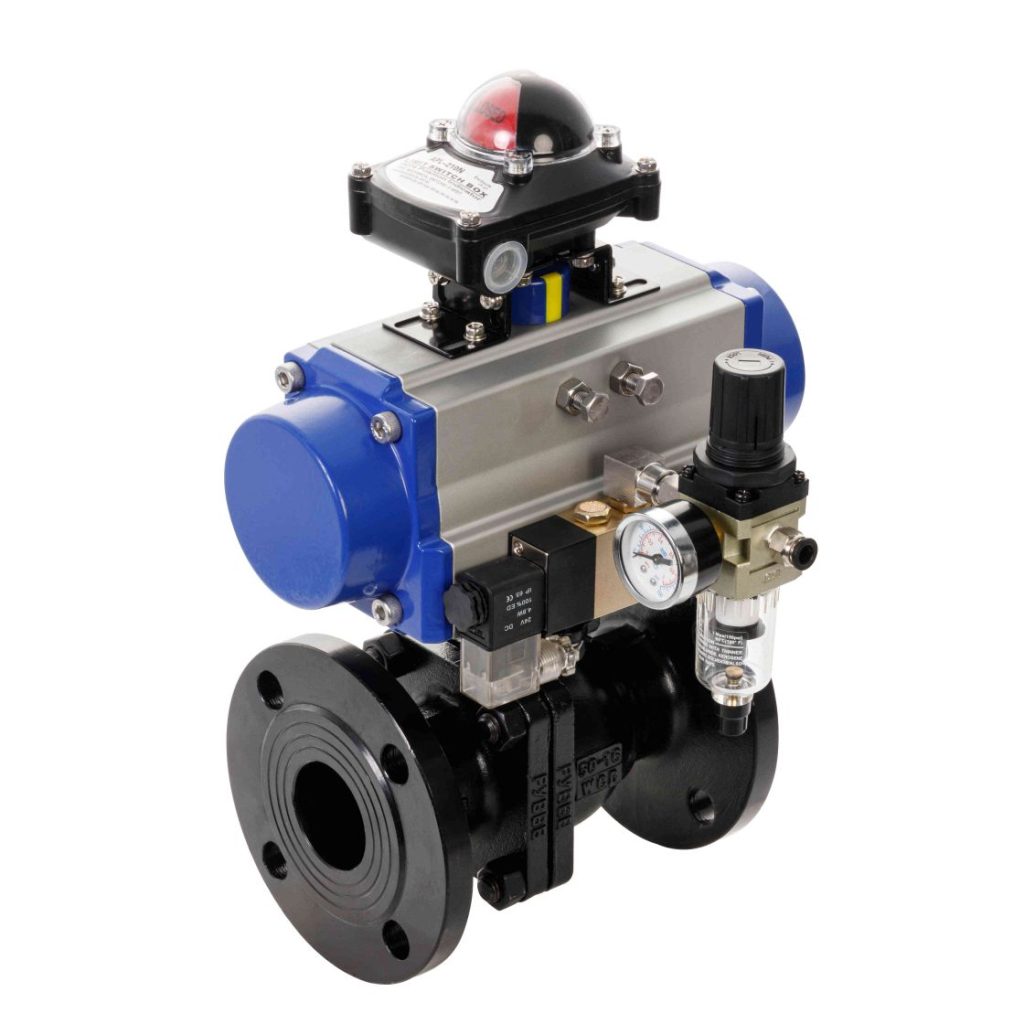
Understanding Pneumatic Ball Valves
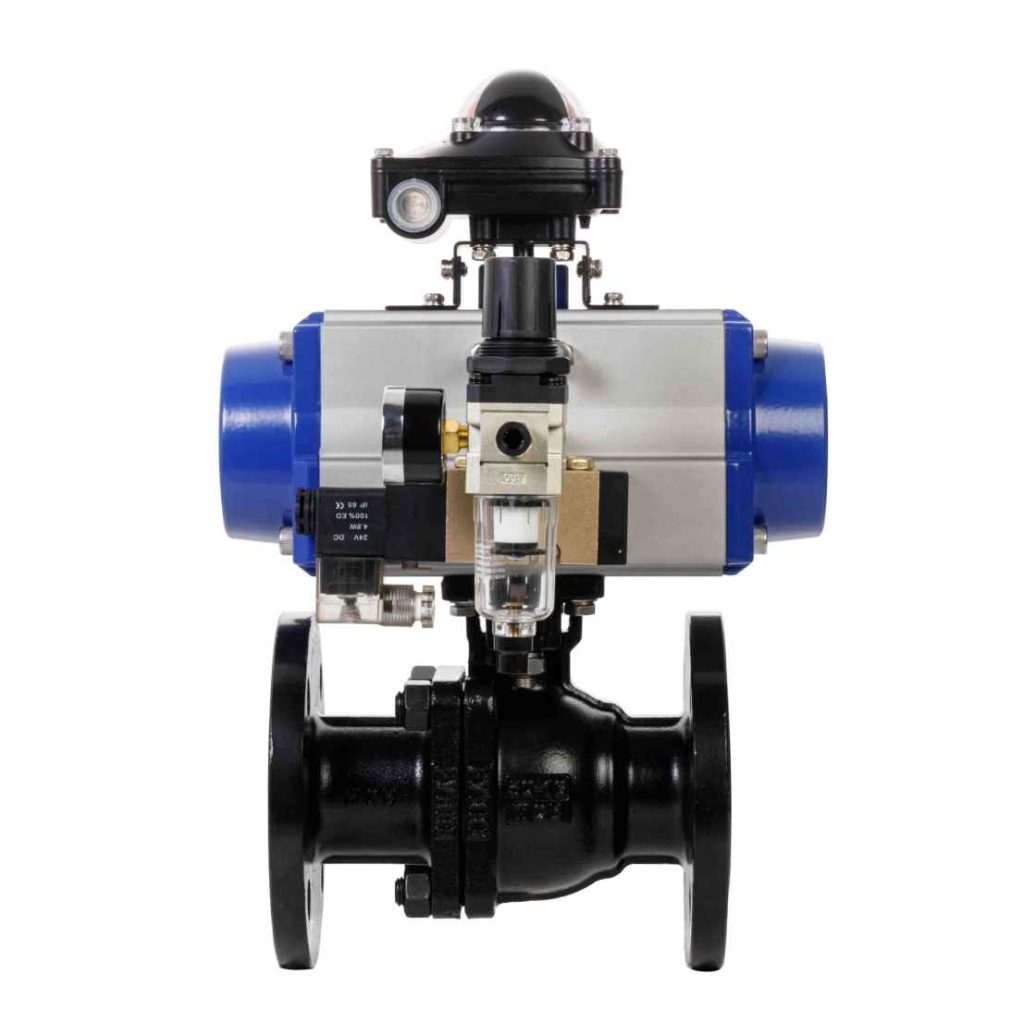
A pneumatic ball valve consists of a spherical ball with a hole through the center, designed to control the flow of substances within pipelines. The valve’s operation is controlled by a pneumatic actuator, which uses compressed air to rotate the ball, allowing or stopping the flow. When the ball is aligned with the pipeline, the valve is open, and when it rotates 90 degrees, the valve is closed, creating a secure seal. This quick action and simple design make pneumatic ball valves an essential component for systems requiring swift, reliable control with minimal maintenance. Advantages of Pneumatic Ball Valves