Relay functional testing is a crucial process used to validate the proper functionality of relays in electrical and electronic systems. Relays are integral components in a wide range of applications, from power control to automation systems, where their ability to reliably switch electrical circuits on and off is essential. The main objective of relay functional testing is to ensure that relays perform their intended tasks without failure, under various operating conditions.
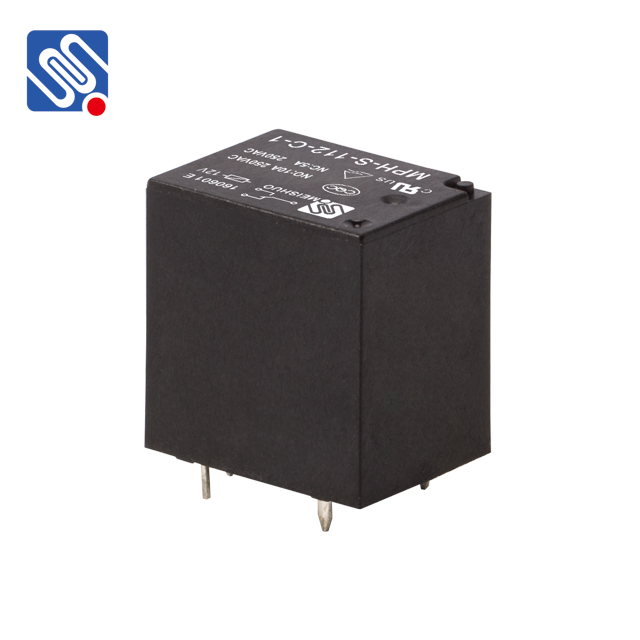
What is Relay Functional Testing? Relay functional testing refers to the series of procedures conducted to verify that a relay operates according to its design specifications. These tests are typically performed in both laboratory and field environments, with the goal of ensuring that the relay performs as expected when subjected to different electrical inputs and operational stresses. The tests validate the relay’s switching actions, contact resistance, load handling capacity, response time, and overall durability. The Importance of Relay Testing Relays serve as an interface between control circuits and power circuits. They are employed in numerous applications, such as controlling motors, managing lighting systems, and protecting electrical circuits from overcurrent conditions. A faulty relay can lead to system failure, equipment damage, or even pose safety risks. Therefore, ensuring that a relay performs correctly under all conditions is crucial for maintaining the safety, reliability, and efficiency of the system it controls.