Relays are fundamental components in electrical and electronic systems, serving as switches that control the flow of current in circuits. Despite their simplicity, the safety of relays is critical to ensure both the protection of devices and the well-being of users. Understanding relay safety features is essential for engineers and technicians working in industrial, automotive, and consumer electronics applications.
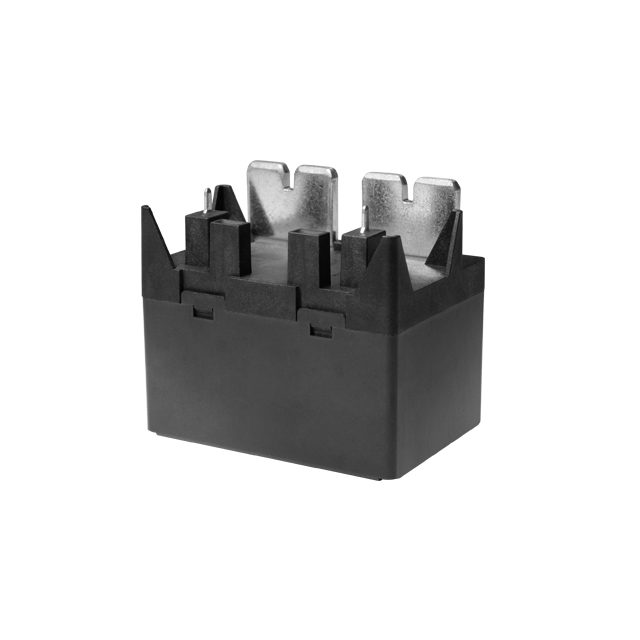
One of the primary safety features of relays is electrical isolation. Relays are designed to separate the control circuit from the load circuit. This separation allows low-voltage control systems to safely operate high-voltage devices without direct electrical contact. Electrical isolation protects sensitive control electronics from voltage spikes and minimizes the risk of electric shock to users, which is particularly important in high-power industrial environments. Contact protection is another critical safety aspect. Relay contacts are prone to wear due to mechanical movement, electrical arcing, and high inrush currents, especially when switching inductive loads such as motors or solenoids. Modern relays incorporate materials like silver alloys to resist arcing and reduce contact degradation. Additionally, protective circuits, such as flyback diodes for DC inductive loads or RC snubber networks for AC circuits, help suppress voltage spikes that can damage the contacts or connected devices.