In modern vehicles, the electrical system is responsible for powering various components, from headlights and airbags to entertainment systems and electric windows. Two critical components that play a significant role in managing these electrical circuits are relays and fuses. While they may seem similar in their protective functions, relays and fuses serve distinct and complementary purposes in the automotive electrical system. Understanding the difference between a relay and a fuse in a car is essential for any vehicle owner or enthusiast interested in car maintenance or repair.
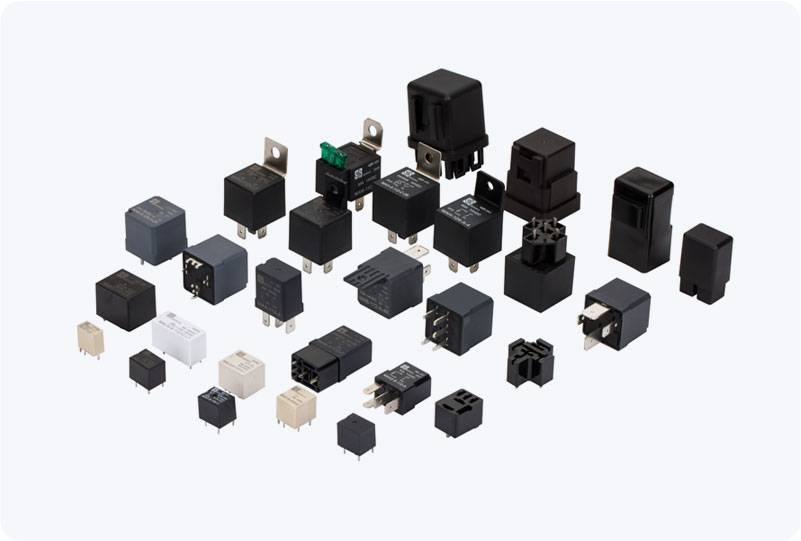
What is a Relay? A relay is an electrically operated switch that allows a low-power signal to control a high-power circuit. Essentially, a relay uses an electromagnet to open or close contacts in a separate circuit. The low-power signal, often coming from a control system or switch, triggers the relay, which then activates a high-power component, such as a motor or a large light. Relays are commonly used in cars for a variety of functions. One typical application is in controlling the electric windows or air conditioning system. For example, when you press a button to raise or lower the window, the small current sent to the relay triggers the relay to close a switch, allowing a larger current to flow to the window motor. This setup ensures that the low-power switch or control system doesn’t have to handle the large amount of current needed to operate the motor.