In the ever-evolving world of industrial automation, safety is paramount. With the potential for machinery and systems to cause harm to operators or damage valuable equipment, ensuring that these systems fail safely is of utmost importance. This is where the Safety Relay comes into play. Safety relays are crucial in safeguarding human life and preventing accidents in various industries, from manufacturing plants to robotics workstations. In this article, we will explore what a safety relay is, its functionality, applications, and how to select the right one for your safety needs.
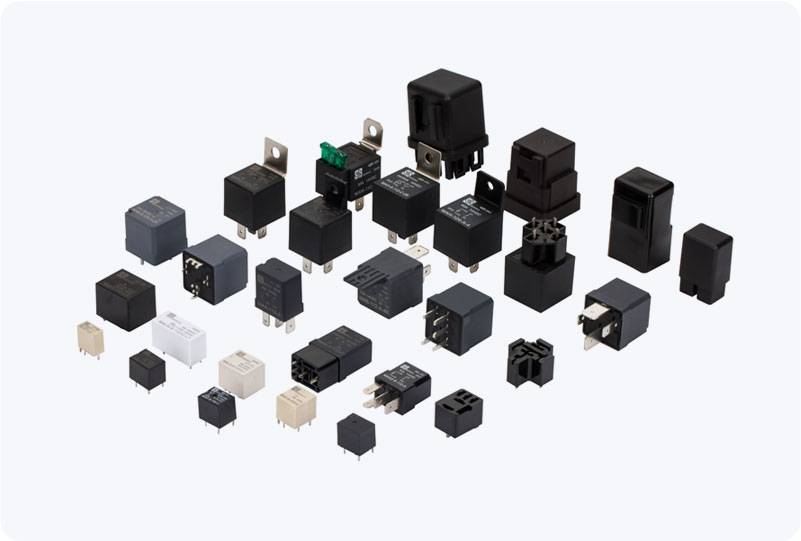
What is a Safety Relay? A Safety Relay is an electrical device designed to monitor and control safety functions in industrial environments. It operates by receiving signals from various safety devices, such as emergency stop buttons, safety doors, light curtains, or other sensors, and subsequently controlling the system’s response in critical situations. The main objective of the safety relay is to ensure that dangerous machines or processes stop functioning immediately in case of an emergency or failure, thereby reducing the risk of injury or damage. Unlike regular relays, safety relays are engineered to meet specific international safety standards, such as IEC 61508 and ISO 13849. These standards ensure that the safety relay is designed to provide high reliability, fail-safe operation, and redundancy. In case of any failure within the safety circuit, the relay will ensure the system shuts down to avoid further harm.