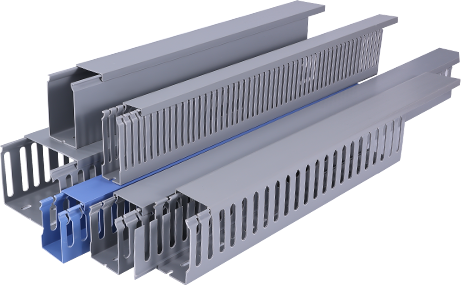
As the global adoption of solar energy continues to accelerate, more homeowners and commercial property owners are investing in photovoltaic (PV) systems to reduce energy costs and lower their carbon footprint. While much attention is often paid to core components like solar panels, inverters, and batteries, one often overlooked element that plays a key role in system performance and safety is the solar panel wiring duct. This specialized component is designed to organize, protect, and route electrical wiring throughout a solar installation, and its proper selection and installation can make a significant difference in the long-term functionality of the entire system. Understanding the purpose, benefits, and key considerations of solar panel wiring duct helps stakeholders create more durable, efficient, and safer solar energy installations.
First, it is important to clarify the core function of solar panel wiring duct and what sets it apart from standard electrical ducting. Unlike general-purpose wiring ducts used in indoor electrical systems, solar panel wiring duct is engineered to withstand the harsh outdoor conditions that solar installations face year-round. It is typically made from UV-stabilized polyvinyl chloride (PVC) or high-density polyethylene (HDPE), materials that resist fading, cracking, and degradation from prolonged exposure to direct sunlight, extreme temperatures, rain, and wind. Its primary job is to bundle and protect the DC wiring that runs between solar panels, from the array to the inverter, preventing damage from abrasion, moisture, pest intrusion, and weathering. By keeping all wiring organized and secured, it also eliminates the risk of loose wires sagging or catching on debris, which can create safety hazards and damage system components over time.
Secondly, proper use of solar panel wiring duct delivers significant safety benefits that cannot be ignored in any solar installation. Exposed wiring on solar arrays is vulnerable to damage from moving debris, wildlife like rodents that may chew through insulation, and moisture intrusion that can cause short circuits or electrical arcing. These issues not only disrupt system performance but also create serious fire hazards, especially on rooftop installations where flammable building materials may be nearby. Solar panel wiring duct creates a sealed, protected pathway for wiring that reduces these risks dramatically. It also simplifies compliance with local electrical codes and industry safety standards, most of which require proper securing and protection of exposed outdoor wiring. For commercial and utility-scale solar installations, meeting these code requirements is mandatory for insurance coverage and project approval, making high-quality wiring duct an essential investment to avoid costly reworks or safety violations.
Another key advantage of using dedicated solar panel wiring duct is that it simplifies long-term maintenance and system upgrades. When wiring is neatly organized in labeled ducts, technicians can quickly identify specific circuits, trace wiring routes, and make repairs or adjustments without spending hours untangling loose wires or searching for hidden connections. This reduces labor costs for routine maintenance and troubleshooting, and it also cuts down on downtime when system repairs are needed. For property owners who plan to expand their solar array in the future, pre-installed wiring duct provides extra space for adding new circuits, eliminating the need to install new routing infrastructure and making the upgrade process much faster and less disruptive. This flexibility adds long-term value to the solar installation, accommodating changing energy needs without major modifications.
Additionally, selecting the right solar panel wiring duct requires careful consideration of several key factors to match the needs of specific installations. The size of the duct is the first factor to evaluate: it needs to be large enough to accommodate all the wiring in the array while leaving extra space for heat dissipation, as overcrowded wiring can lead to excessive heat buildup that reduces wiring lifespan and increases safety risks. For rooftop installations, low-profile ducts are often preferred to minimize wind resistance and maintain a clean, unobtrusive appearance, while ground-mount arrays may require heavier-duty ducts that can withstand physical impact and moisture from ground contact. It is also critical to choose ducts with proper UV stabilization, as low-quality unrated materials will crack and degrade within just a few years of outdoor exposure, leading to premature wiring damage and costly replacement. Many manufacturers also offer pre-split ducts that make installation faster and easier, as they can be placed around existing wiring without pulling wires through a closed channel.
In conclusion, solar panel wiring duct is far more than a minor accessory in a solar energy system it is a critical component that supports long-term safety, performance, and maintainability. While it may not draw the same attention as high-efficiency solar panels or smart inverters, its role in protecting wiring and organizing system infrastructure directly impacts the lifespan and reliability of the entire installation. By choosing the right type of solar panel wiring duct and following best practices for installation, property owners and installers can avoid common safety hazards, reduce long-term maintenance costs, and ensure the solar system operates at peak efficiency for decades. As the solar industry continues to grow, paying attention to these often-overlooked components will remain a key part of building high-quality, sustainable solar energy systems that deliver reliable clean energy for years to come.