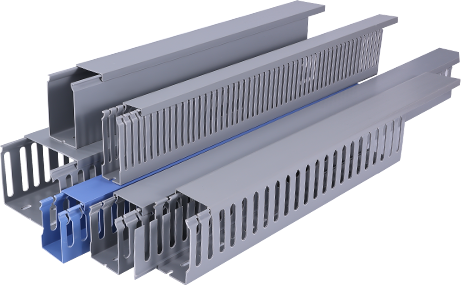
As smart building technology continues to transform urban infrastructure, every component of the building’s internal system contributes to its overall reliability and performance. Among these often-overlooked components, the Smart Building Integrated Wiring Gland stands out as a foundational element that ensures the safety, organization, and long-term functionality of a building’s digital and electrical network. Unlike traditional wiring accessories, this specialized component is designed to meet the unique demands of smart buildings, where massive volumes of data cables, power lines, and sensor connections must work in harmony without interruption. Understanding its core functions, advantages, and selection criteria can help building designers, contractors, and facility managers make more informed decisions that support sustainable, high-performance smart building operations.
First, it is necessary to clarify the basic definition and core functions of Smart Building Integrated Wiring Gland. A wiring gland, also known as a cable gland, is a device designed to secure and seal the end of electrical or data cables where they enter electrical enclosures, junction boxes, or equipment. The integrated version tailored for smart buildings goes beyond basic cable retention: it is engineered to accommodate multiple types of cables simultaneously, including low-voltage power cables, fiber optic data cables, and twisted pair cables used for building automation systems. This integration capability eliminates the need for multiple separate sealing devices, reduces installation space, and minimizes the risk of gaps that could allow dust, moisture, or pests to enter the wiring system. Additionally, it provides strain relief to prevent cables from being pulled or damaged at connection points, which is critical for smart buildings that rely on continuous data transmission between sensors, controllers, and cloud management platforms.
Secondly, Smart Building Integrated Wiring Glands address key challenges that traditional wiring accessories cannot solve in modern smart building environments. Smart buildings are equipped with hundreds of connected devices, from HVAC controllers and lighting systems to security cameras and environmental sensors, which means the number of cables running through walls, ceilings, and floor trays is far higher than in conventional buildings. Cluttered, unprotected cables not only create safety hazards but also increase the difficulty of maintenance and system upgrades. An integrated wiring gland organizes all cables in a single, neat entry point, reducing clutter and making it easier for technicians to trace and replace cables when needed. Moreover, many modern integrated wiring glands are manufactured with flame-retardant and corrosion-resistant materials, which meets the strict safety standards of modern buildings and extends the service life of the entire wiring system. For outdoor-connected smart devices or buildings located in humid or coastal environments, the waterproof sealing performance of specialized integrated wiring glands also prevents moisture damage that could cause short circuits or data transmission failures.
Furthermore, the design of Smart Building Integrated Wiring Glands supports the scalability and future upgradability of smart building systems. One of the core characteristics of smart buildings is that their systems can be upgraded and expanded as technology evolves, which means new cables may need to be added to existing infrastructure over time. Traditional separate wiring glands often leave no extra space for new cables, requiring destructive renovation that disrupts building operations and increases costs. Most integrated wiring glands are designed with modular layouts that reserve space for additional cables, allowing facility managers to add new data or power lines without replacing the entire gland assembly. This flexibility not only reduces long-term maintenance costs but also extends the overall service life of the building’s wiring infrastructure, aligning with the sustainable development goals of modern construction.
When selecting a suitable Smart Building Integrated Wiring Gland, there are several key factors that professionals should consider to ensure optimal performance. First, it is necessary to match the gland’s specifications to the types and quantities of cables used in the building. For example, fiber optic cables require more precise clamping to avoid signal attenuation, while high-voltage power cables require higher insulation and flame resistance. Second, the environmental conditions of the installation location must be taken into account: glands installed in outdoor areas or industrial smart facilities need higher IP ratings for dust and water resistance, while those installed in indoor server rooms can prioritize space-saving and ease of maintenance. Finally, choosing products from reputable manufacturers that comply with international safety standards such as IEC and UL ensures that the glands can perform consistently over decades of use, avoiding unexpected failures that could disrupt building operations.
In conclusion, the Smart Building Integrated Wiring Gland is a small but indispensable component that underpins the reliability, safety, and scalability of modern smart building infrastructure. While it is often hidden behind walls and enclosures, its performance directly affects the entire smart building system’s ability to operate continuously and efficiently. By understanding its functions, advantages, and selection principles, construction professionals can incorporate this critical component into their designs to create smart buildings that are safer, easier to maintain, and ready for future technological upgrades. As smart building technology continues to evolve, the demand for high-quality integrated wiring glands will only grow, driving further innovation in materials and design to meet the changing needs of modern urban infrastructure.