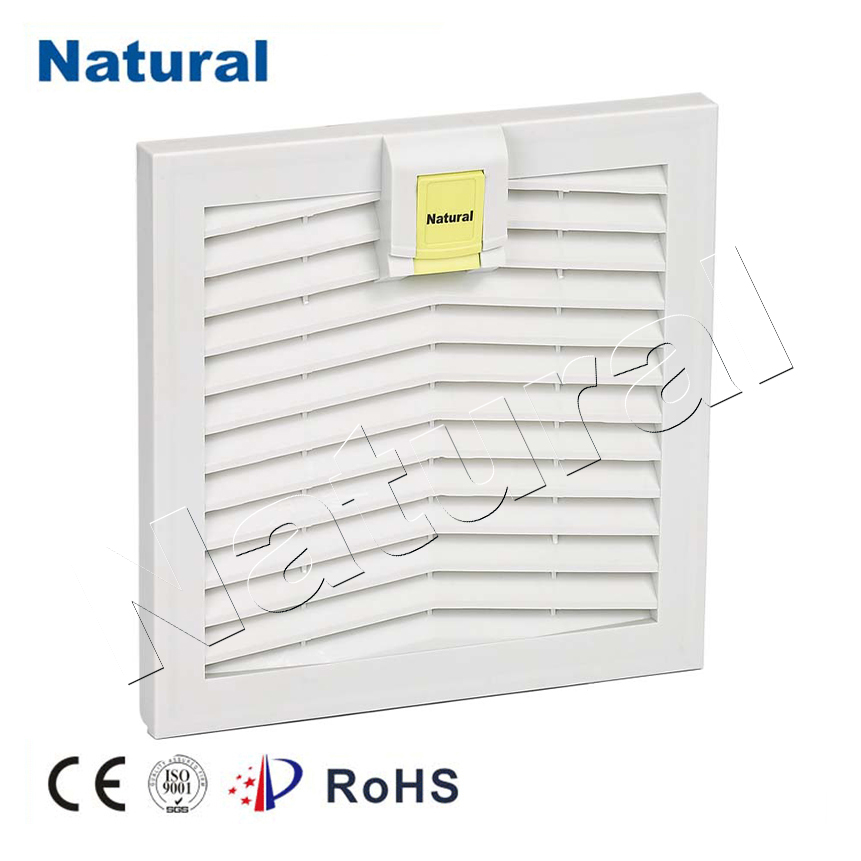
Fan filters are essential components in a wide range of systems that require cooling, from computers and servers to industrial machinery and HVAC units. Their primary function is to filter out dust and debris from the air entering a system, ensuring the internal components remain clean and perform optimally. As technology advances and systems become more sophisticated, the role of fan filters has grown significantly. In this article, we’ll explore the importance, design, and applications of fan filters in various industries.
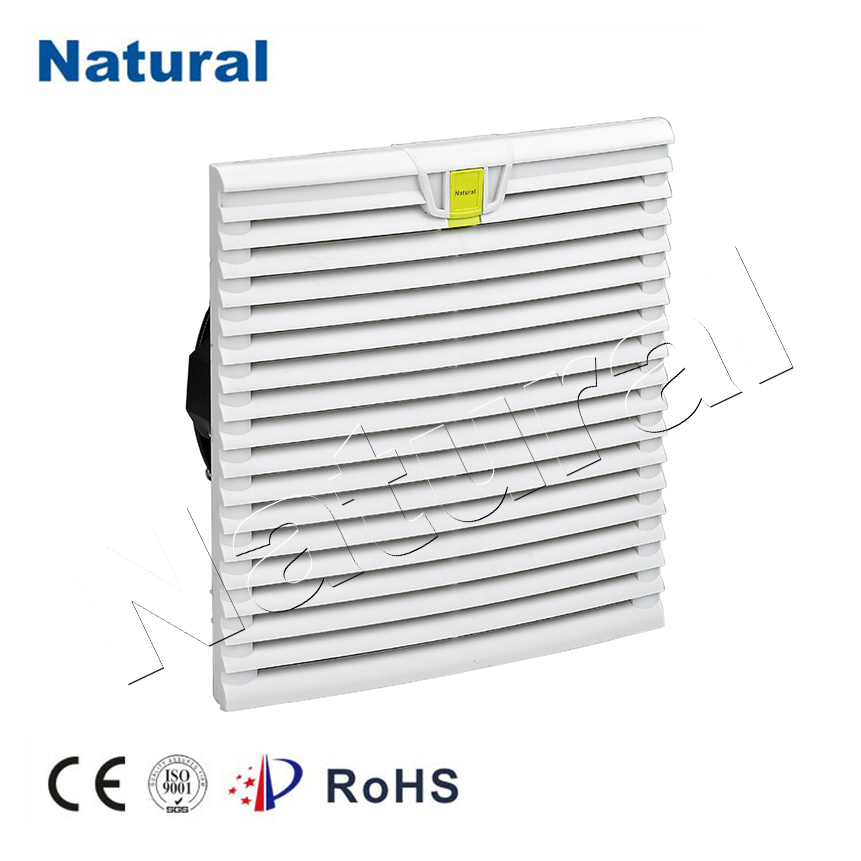
The Function of Fan Filters
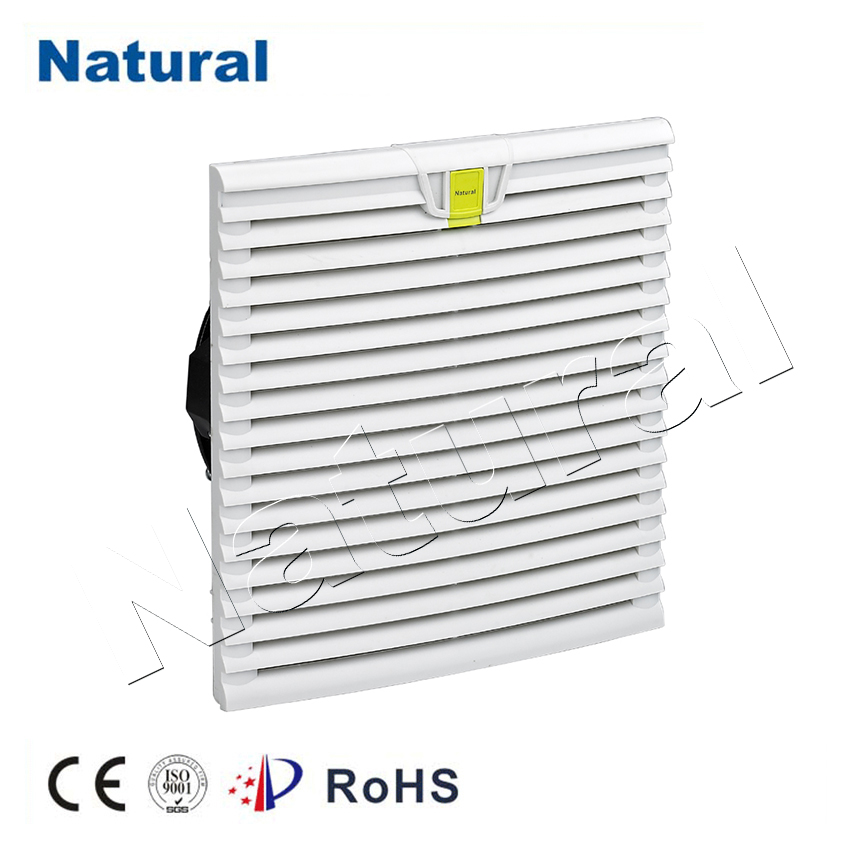
Fan filters are typically installed in front of fans to prevent contaminants like dust, dirt, and other particulates from entering sensitive equipment. These contaminants can cause a range of issues, from reducing the efficiency of the system to causing hardware damage. For example, in computer systems, dust accumulation on the fan blades or within the internal components can impede airflow and overheat critical parts, leading to system failure. Fan filters act as the first line of defense against these issues by trapping particles before they enter the system. One of the key benefits of fan filters is their ability to extend the lifespan of devices and machinery. By preventing dirt buildup, these filters help maintain consistent performance over time, reducing the frequency of maintenance and costly repairs. Moreover, fan filters ensure that systems continue to operate at peak efficiency, even in environments with high levels of airborne contaminants.