In industrial settings, ensuring the safety of workers is paramount. One of the most effective ways to prevent accidents during maintenance or repair work is through the use of equipment lockout tags. These tags are crucial elements of a comprehensive safety program known as Lockout/Tagout (LOTO), designed to prevent accidental equipment startups during maintenance, repair, or servicing. In this article, we will explore the significance of equipment lockout tags, how they work, and why they are a critical tool in ensuring workplace safety.
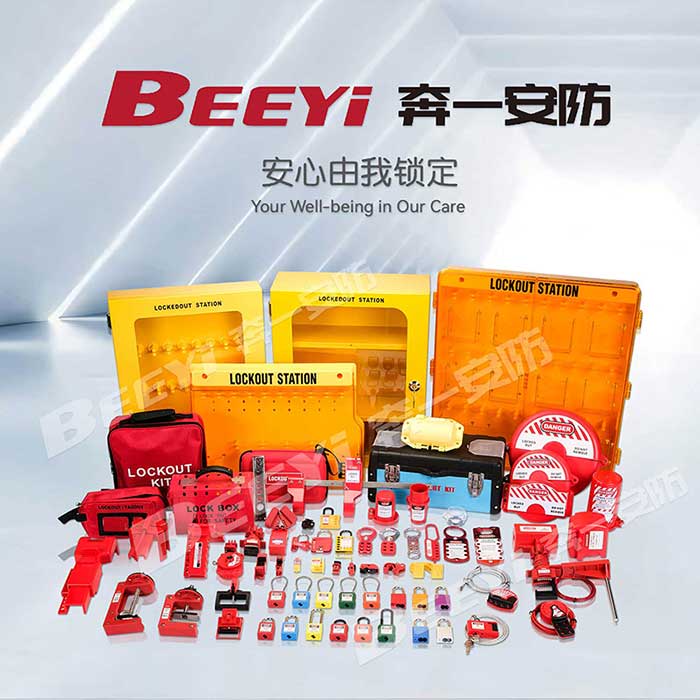
What Are Equipment Lockout Tags? Equipment lockout tags are safety devices used in industrial environments to indicate that a machine or equipment has been locked out and should not be operated. They are typically used in conjunction with locks to physically secure energy sources like electricity, gas, or hydraulic systems. The tag serves as a warning to other workers that the equipment is being serviced and should not be tampered with. Lockout tags are usually brightly colored and feature bold warning messages, along with the identity of the person responsible for the lockout. Information such as the date of the lockout, reason for maintenance, and the expected completion time may also be included. These tags are placed in a visible location on the equipment, ensuring that anyone who comes into contact with the machinery knows it is off-limits.