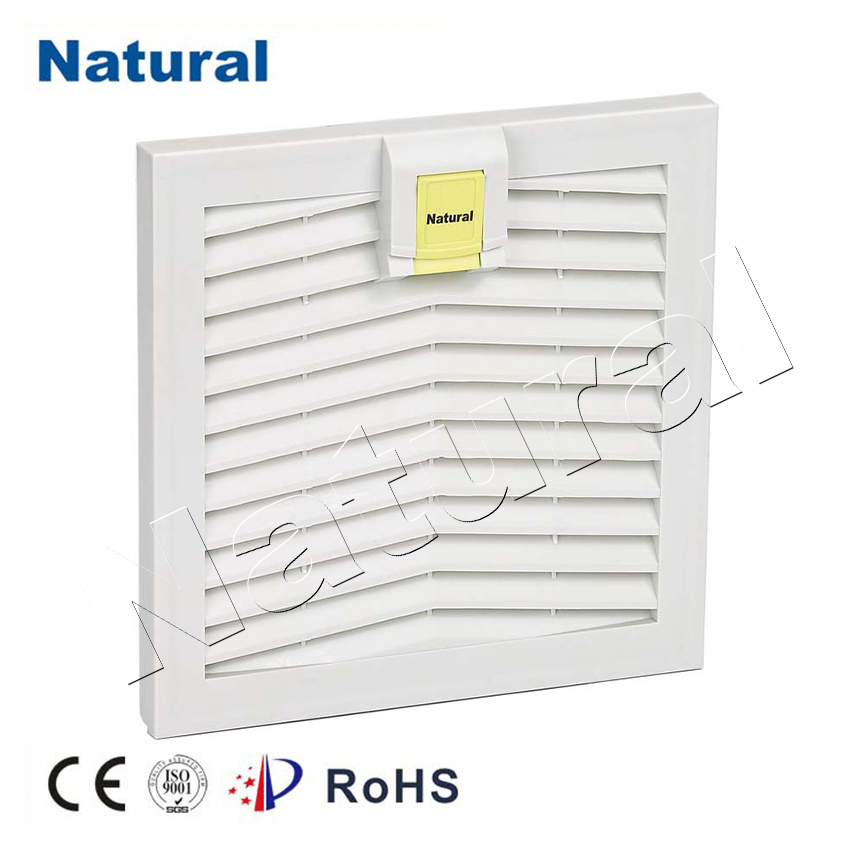
In today’s world, maintaining a clean and efficient environment is more important than ever, especially when it comes to the devices and machinery we rely on every day. One key element often overlooked in this process is the fan filter. Used in a variety of applications, from computers and industrial machinery to HVAC systems and home appliances, fan filters play a crucial role in protecting both the equipment and the air quality around us. In this article, we will explore the significance of fan filters, their functionality, and the benefits they provide in maintaining optimal performance and health standards.
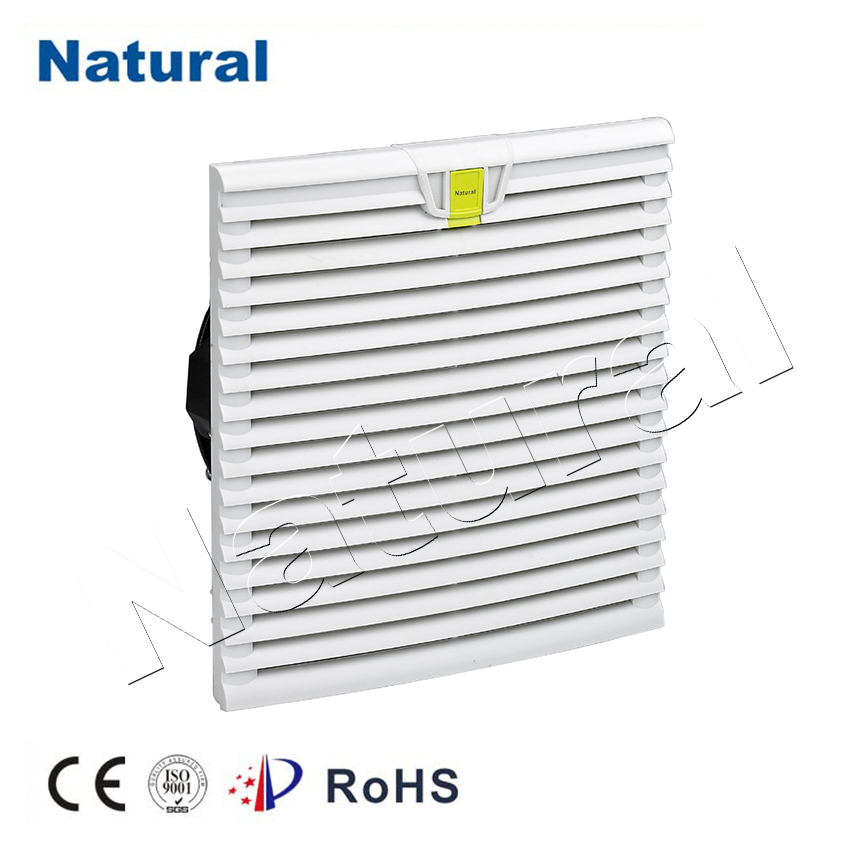
What Is a Fan Filter?
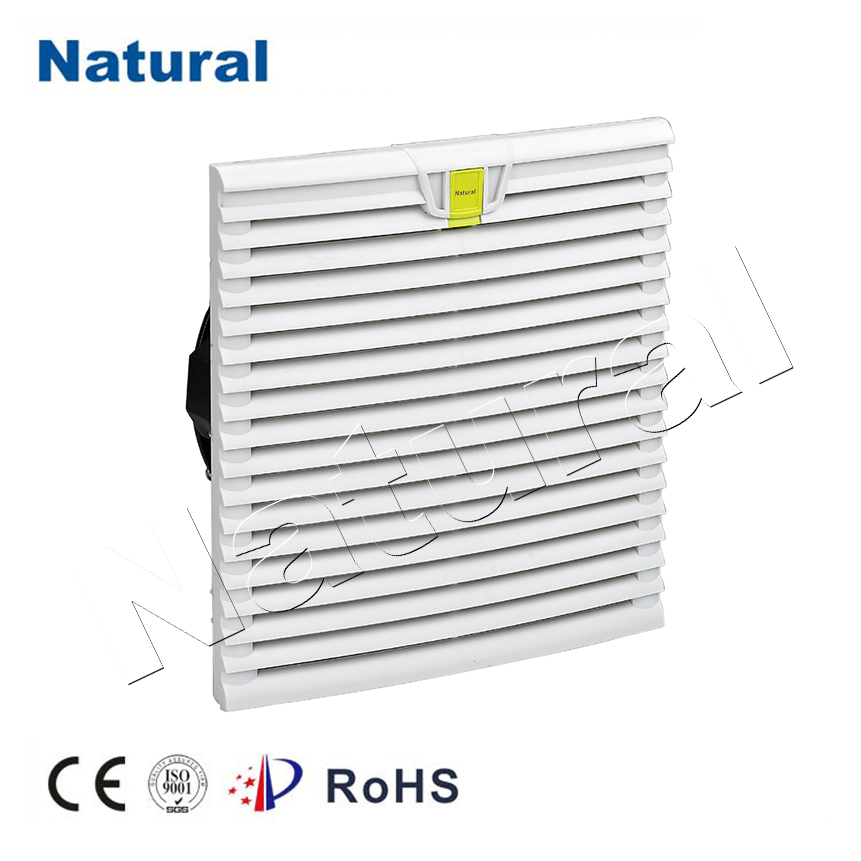
A fan filter is a device that attaches to the intake or exhaust fan of a machine or system. It serves as a barrier to trap dirt, dust, debris, and other particulates from entering sensitive components or being released into the environment. In essence, a fan filter is an air-cleaning system that prevents contaminants from affecting the performance of the equipment or polluting the air in enclosed spaces. They are often made from materials such as mesh, foam, or paper, and can be designed to fit a variety of fan sizes and types. How Do Fan Filters Work? Fan filters are designed to fit seamlessly with the fan system, working in tandem to improve air quality. When air is drawn through the fan filter, the filter material acts as a sieve, capturing particles that could potentially damage the system or degrade its performance. These filters are typically located at the intake side of the fan, which ensures that the incoming air is free from harmful particles before reaching the delicate internal components.