In the industrial world, safety is paramount. Every year, accidents related to machinery and equipment cause significant harm to workers. As industries become more complex and rely heavily on automated systems, it’s essential to ensure that maintenance and repair work is carried out in a secure environment. One critical piece of equipment that plays a crucial role in safeguarding workers during maintenance tasks is pneumatic lockouts. This article delves into the significance of pneumatic lockouts, the operations of pneumatic lockouts factories, and how these devices contribute to industrial safety.
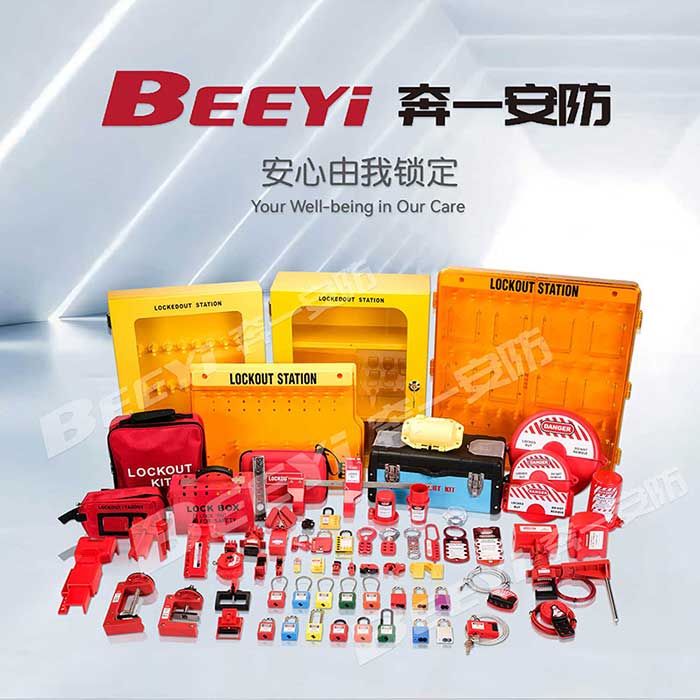
What are Pneumatic Lockouts? Pneumatic lockouts are safety devices used in industrial settings to prevent machines or systems from being accidentally activated while maintenance is being performed. They are specifically designed for pneumatic systems, where air pressure is used to power equipment. These lockouts physically prevent the flow of compressed air into the system, ensuring that the machinery cannot be accidentally started. The devices are typically designed to be durable, easy to apply, and highly effective in preventing accidents. The core function of a pneumatic lockout is to isolate the energy source (in this case, compressed air) from the equipment. In industrial environments where multiple workers may be handling the same machinery, it’s vital that no one can inadvertently activate the system while others are working on it. Pneumatic lockouts are part of the broader category of lockout/tagout (LOTO) devices, which are used to control hazardous energy during maintenance and repair activities.