Tagout, a crucial component of the Lockout/Tagout (LOTO) safety procedure, plays an integral role in ensuring the safety of workers in various industries, particularly in manufacturing, construction, and maintenance sectors. It is a safety protocol designed to prevent the accidental release of hazardous energy or the unexpected start-up of equipment during servicing and maintenance activities. While often used in conjunction with “Lockout” procedures, Tagout provides additional safeguards through clear, visible identification of equipment that is under repair or maintenance. This article explores the significance of Tagout procedures, their implementation, and their critical role in workplace safety.
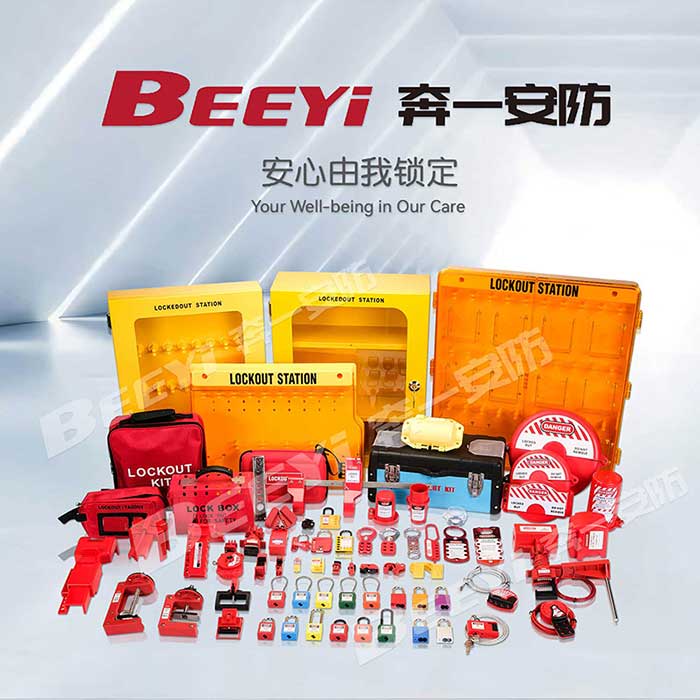
What is Tagout? Tagout refers to the practice of placing a visible warning tag on equipment, machinery, or electrical systems to indicate that they are undergoing maintenance or repair and should not be operated. The tag typically includes important details such as the name of the maintenance worker, the reason for the maintenance, and a date or time when the equipment is expected to be back in service. While Lockout involves physically locking a machine’s energy-isolating device (such as an electrical switch or valve), Tagout provides an additional visual indication, alerting others to the hazardous situation.