Plastic water valve manufacturers have become an essential component in the global plumbing and water management industries. With the increasing demand for durable, cost-effective, and sustainable solutions, the role of these manufacturers has evolved to meet the needs of both residential and commercial sectors. This article explores the importance, market trends, and challenges faced by plastic water valve manufacturers and how they have become a pivotal part of the modern infrastructure.
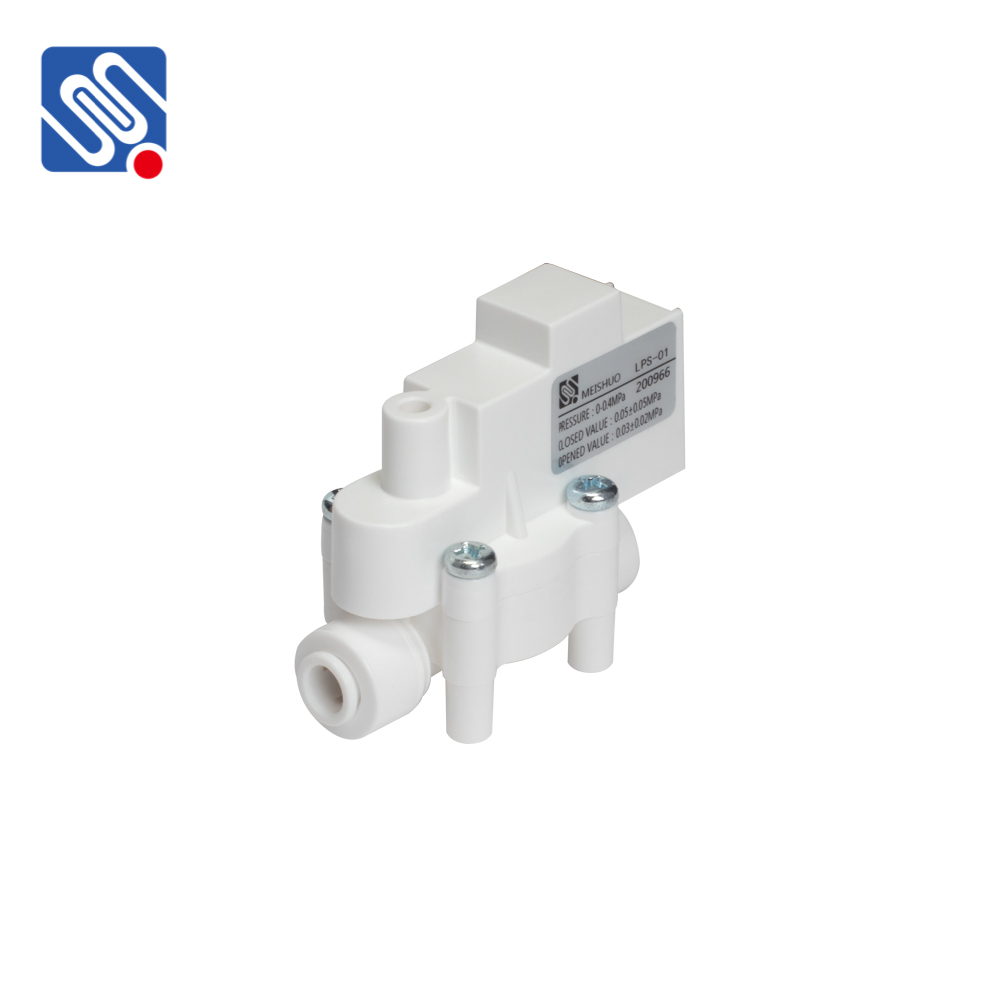
The Importance of Plastic Water Valves Plastic water valves are essential components used to control the flow of water in pipes. Unlike their metal counterparts, plastic water valves are made from various types of engineering plastics such as PVC (Polyvinyl Chloride), PP (Polypropylene), CPVC (Chlorinated Polyvinyl Chloride), and PPR (Polypropylene Random Copolymer). These materials provide several advantages, making plastic water valves a popular choice in many applications. Firstly, plastic valves are highly resistant to corrosion, a critical factor in industries dealing with water and chemicals. Metal valves often rust or corrode over time, especially when exposed to water, which can lead to costly repairs and replacements. In contrast, plastic valves maintain their integrity even in harsh environments, making them ideal for long-term use. Additionally, plastic valves are lightweight, easy to handle, and cost-effective compared to their metal counterparts, offering significant savings in both production and installation costs.