AG Alloy Contact Relays are a critical component in modern electrical and electronic systems, providing reliable switching capabilities in a wide range of applications. These relays are distinguished by their use of silver-based alloys for the contact material, which ensures superior electrical performance, durability, and long operational life. This article delves into the features, benefits, and applications of AG Alloy Contact Relays, highlighting why they are preferred in demanding environments.
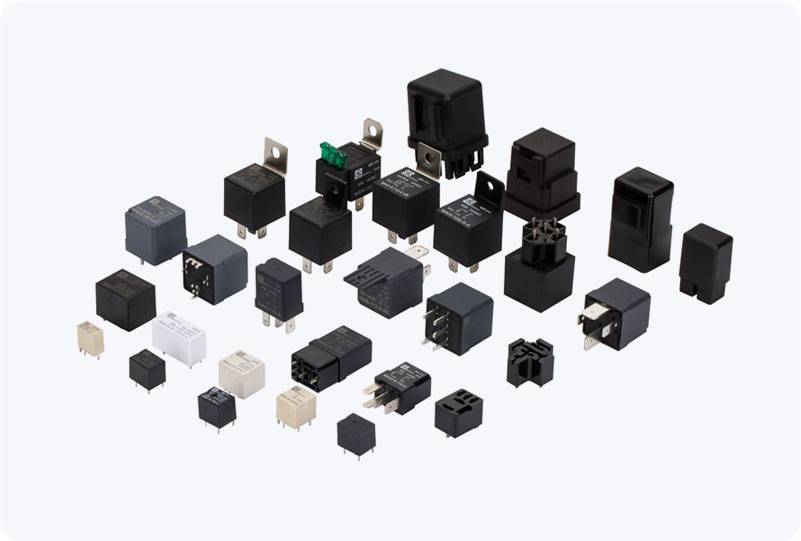
At the core of an AG Alloy Contact Relay is the contact material itself. AG, or silver alloy, combines silver with other metals such as nickel, copper, or cadmium to enhance properties like mechanical strength, resistance to wear, and tolerance to electrical arcing. Silver is inherently an excellent conductor, which minimizes electrical resistance and heat generation during operation. By forming an alloy, engineers optimize the balance between conductivity and durability, creating a contact material capable of withstanding frequent switching cycles without significant degradation. One of the primary advantages of AG Alloy Contact Relays is their high electrical conductivity. The low resistance of silver reduces voltage drops across the contacts, ensuring efficient current flow even in circuits carrying moderate to high currents. This feature makes these relays suitable for applications where precision and reliability are essential, such as in industrial automation systems or sensitive instrumentation. Moreover, the superior conductivity also contributes to energy efficiency, as less power is lost as heat during switching.