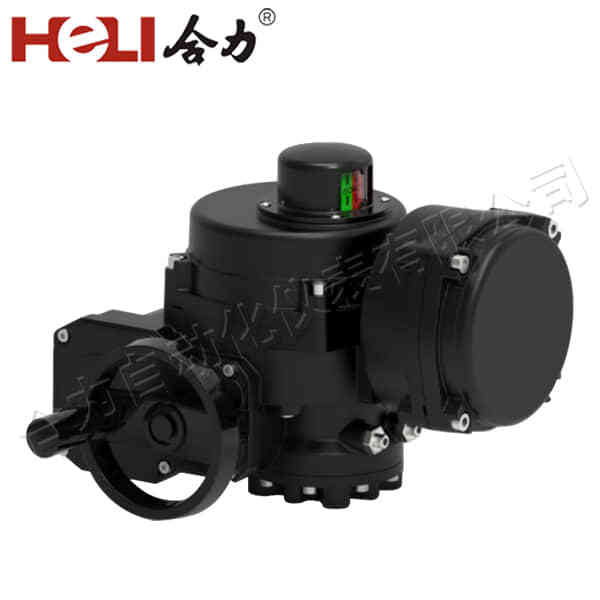
Electric actuators are vital components in modern automation systems, enabling precise control of mechanical movements through the conversion of electrical energy into mechanical motion. As industries around the world continue to evolve toward greater automation and efficiency, electric actuators have become a cornerstone in various sectors, from manufacturing to robotics. This article explores the working principles, key components, applications, and benefits of electric actuators.
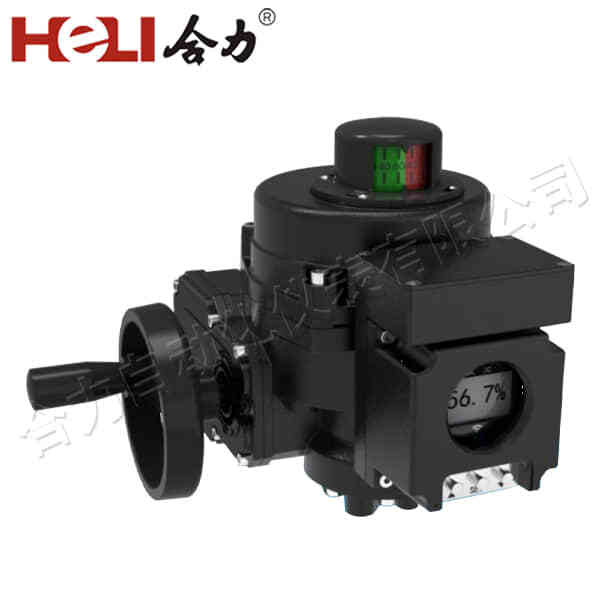
What is an Electric Actuator?
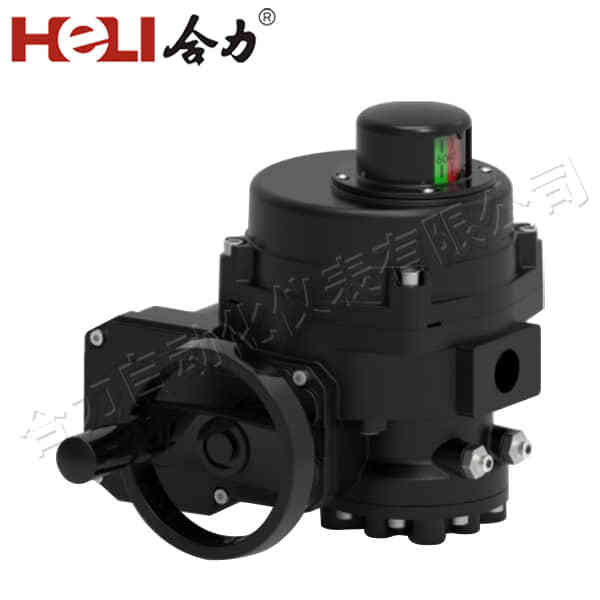
An electric actuator is a device that converts electrical energy into mechanical energy to produce motion. This motion can be either linear or rotary, depending on the specific actuator type and its application. Electric actuators are used for controlling the position, speed, and force of mechanical systems without the need for human intervention, making them a critical component in automated processes. Key Components of Electric Actuators Electric actuators consist of several key components that work together to convert electrical energy into motion. These include: Electric Motor: The electric motor is the core of the actuator, providing the necessary rotational energy. Depending on the application, electric motors can be either AC (alternating current) or DC (direct current). DC motors are typically used in applications requiring precise speed control, while AC motors are used for higher power applications.