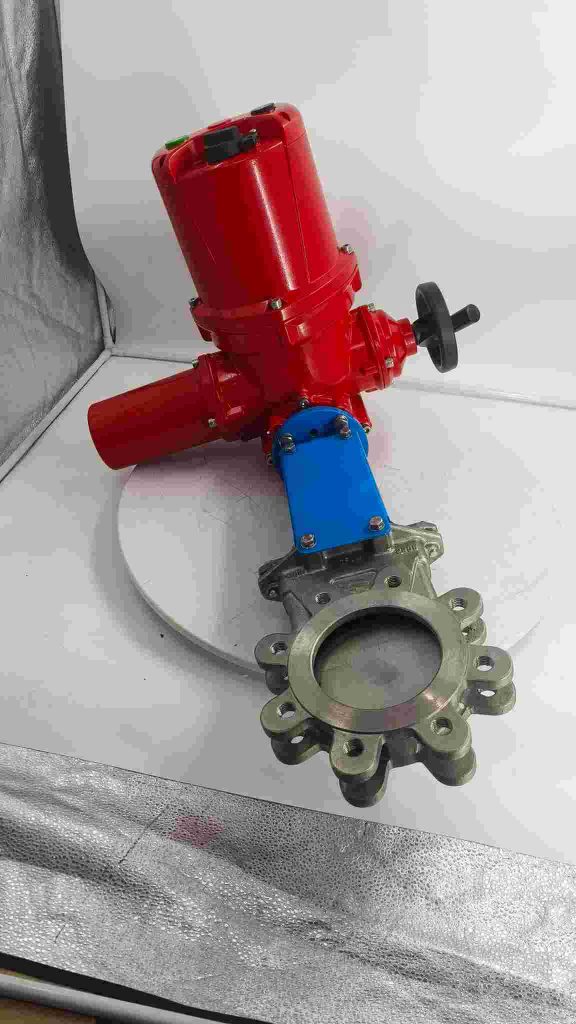
Electric gate valves are essential components in various industrial applications, providing efficient control of fluid flow. These valves utilize electric actuators to open and close the valve, allowing for precise regulation of liquids and gases in piping systems. This article delves into the functionality, applications, and benefits of electric gate valves, showcasing their importance in modern engineering.
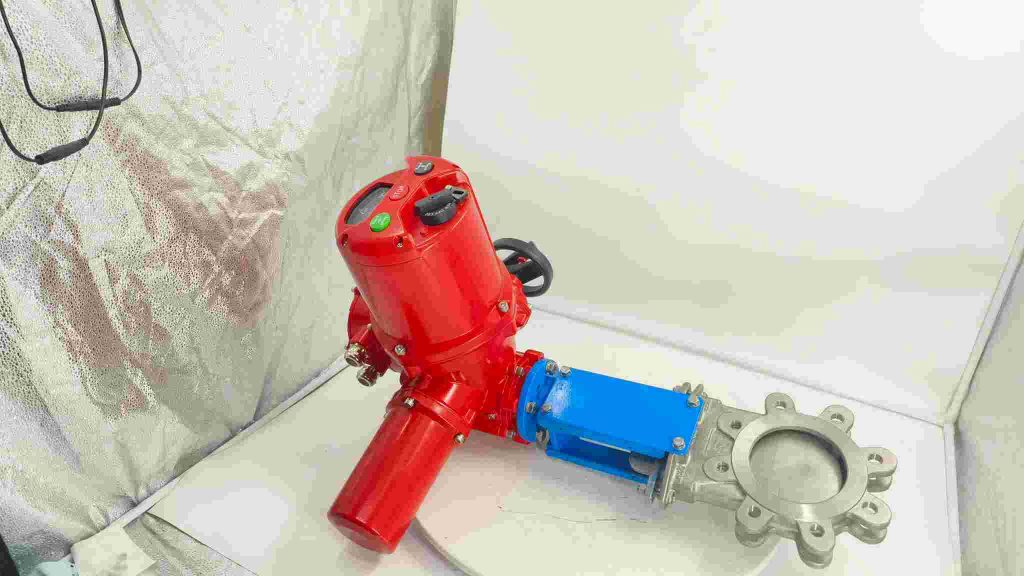
Functionality of Electric Gate Valves
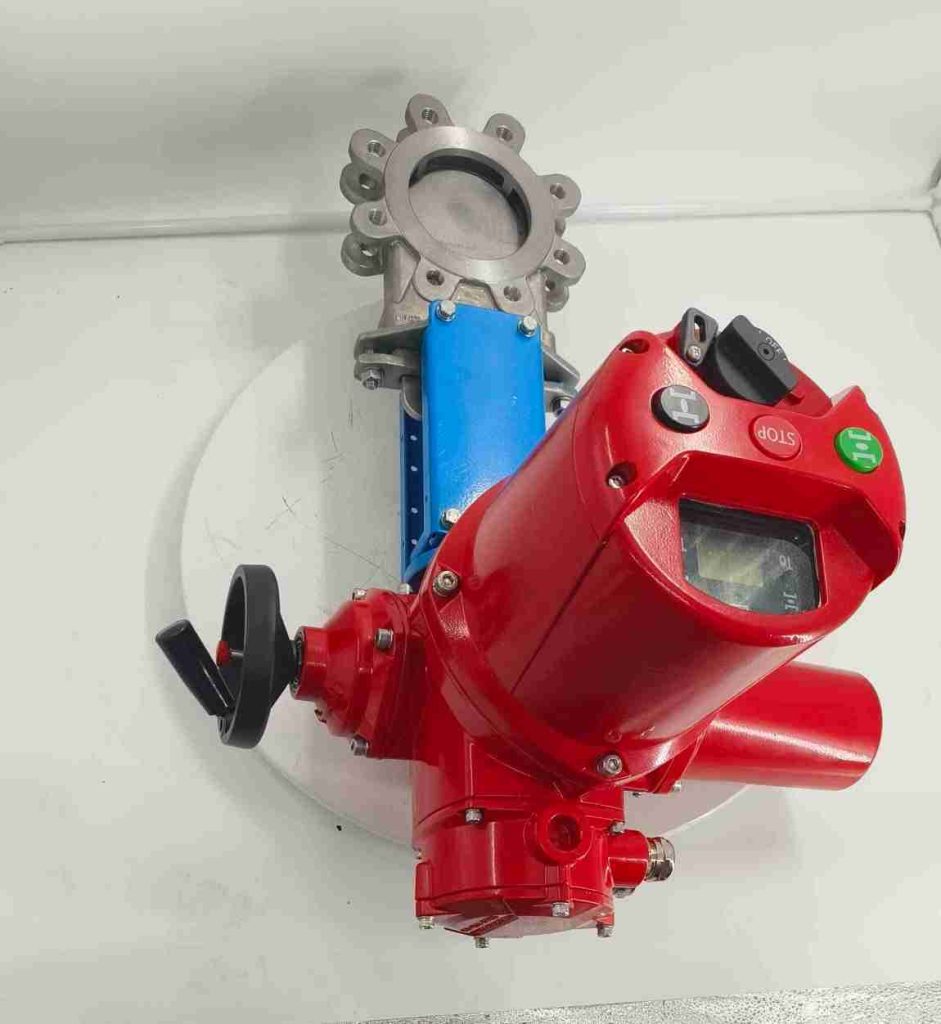
Electric gate valves operate by utilizing a wedge-shaped disc that moves vertically within the valve body. The valve can be fully opened or closed, providing a straight flow path for the fluid. This design minimizes turbulence and pressure drop, making electric gate valves ideal for applications where low resistance is crucial. The electric actuator is the heart of the electric gate valve, converting electrical energy into mechanical motion. The actuator can be controlled remotely, allowing for easy integration into automated systems. When an electric signal is sent, the actuator rotates, lifting the gate off the seat to allow fluid to flow. Conversely, when the signal is removed, the actuator lowers the gate, effectively stopping the flow.