In modern industrial applications, the demand for precision and reliability in fluid control is paramount. One crucial device that addresses these needs is the electric two-seat regulating valve. Designed to provide superior flow regulation, this valve plays a significant role in various sectors, including chemical processing, HVAC systems, and water treatment. This article explores the structure, working principle, applications, advantages, disadvantages, and considerations for selecting electric two-seat regulating valves.
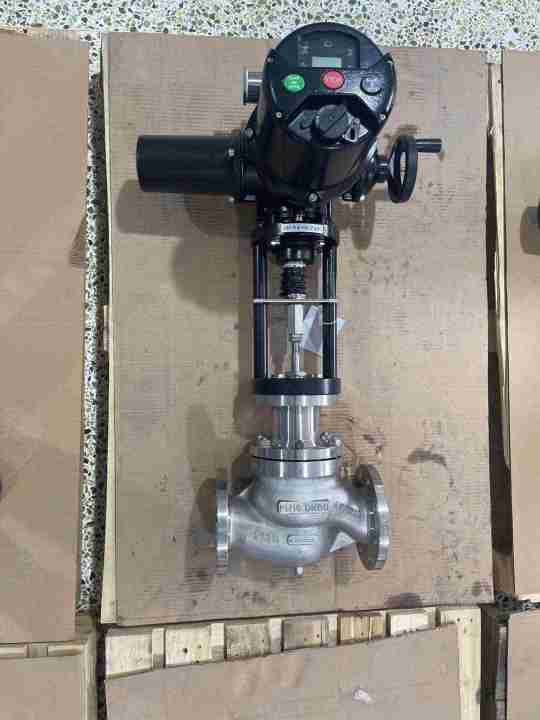
Structure and Components The electric two-seat regulating valve consists of several key components that work together to regulate fluid flow effectively. The main parts include: Valve Body: Typically constructed from materials like cast iron or stainless steel, the valve body is designed to withstand harsh environmental conditions and corrosive fluids. Two Seats and Valve Discs: The unique two-seat configuration allows for greater flow regulation capabilities. The valve disc moves between the two seats, providing a more dynamic flow control compared to single-seat designs. Electric Actuator: The heart of the valve is its electric actuator, which provides precise control over the valve’s position. The actuator converts electrical signals into mechanical motion to move the valve disc.