Electric vehicles (EVs) have become a cornerstone of sustainable transportation, and at the heart of their energy management systems lies the EV battery relay. While electric vehicles are often celebrated for their eco-friendly qualities and advanced technology, the battery relay is pivotal in ensuring the safety, efficiency, and overall performance of the EV’s electrical systems. In this article, we will explore the functionalities, importance, and future developments related to EV battery relays.
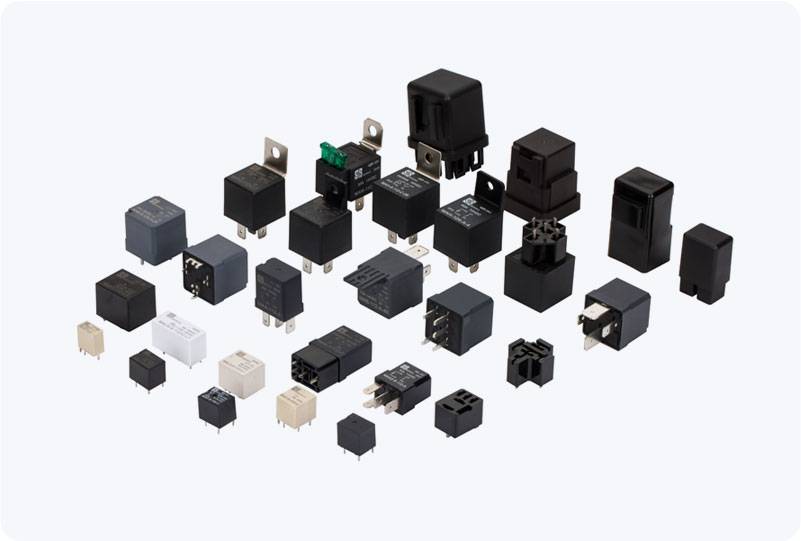
What is an EV Battery Relay? An EV battery relay is an electromechanical switch that controls the flow of electric current between the battery pack and other components in the vehicle, such as the electric motor, charging system, and auxiliary systems. These relays function similarly to traditional relays, yet are designed to handle the high voltage and current typical in electric vehicles. There are two primary types of battery relays used in electric vehicles: electromagnetic relays and solid-state relays (SSRs). Electromagnetic relays utilize electromagnets to open or close contacts, while solid-state relays employ semiconductor devices to perform the switching action without mechanical movement. The choice of relay type depends on several factors, including desired performance, space constraints, and cost considerations.