High Flow Solenoid Valves are pivotal components utilized in various fluid control systems across numerous industries. Due to their ability to regulate large volumes of fluids swiftly and accurately, these valves are essential for enhancing the efficiency of numerous processes. This article delves into the workings, applications, advantages, and considerations of High Flow Solenoid Valves.
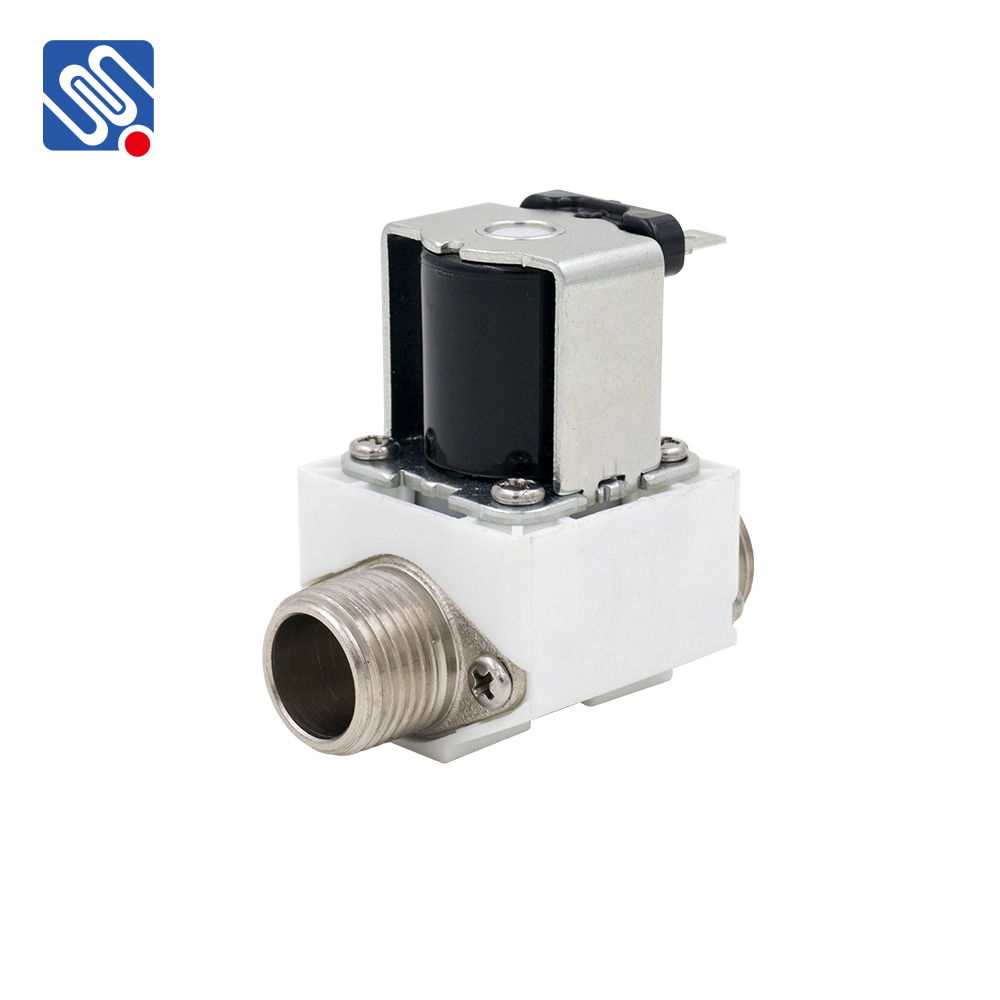
Working Mechanism A High Flow Solenoid Valve operates on the principle of electromagnetism. At its core lies a solenoid coil, which, when energized, generates a magnetic field. This magnetic field is capable of moving a plunger or diaphragm, thus allowing or blocking the flow of the medium—be it liquid or gas—within the system. The design of High Flow Solenoid Valves typically includes: Valve Body: This is the main housing that holds all internal components and connects to the piping system. Solenoid Coil: The coil is wrapped around a core and, when electrically activated, creates a magnetic field that moves the valve component.