High-power relays are integral components in various electrical systems, particularly where control of high current and voltage is necessary. These relays function as electronically controlled switches that allow for the management of large electrical loads. The use of high-power relays is crucial in applications ranging from industrial machinery to household appliances, offering reliable and efficient control in demanding environments.
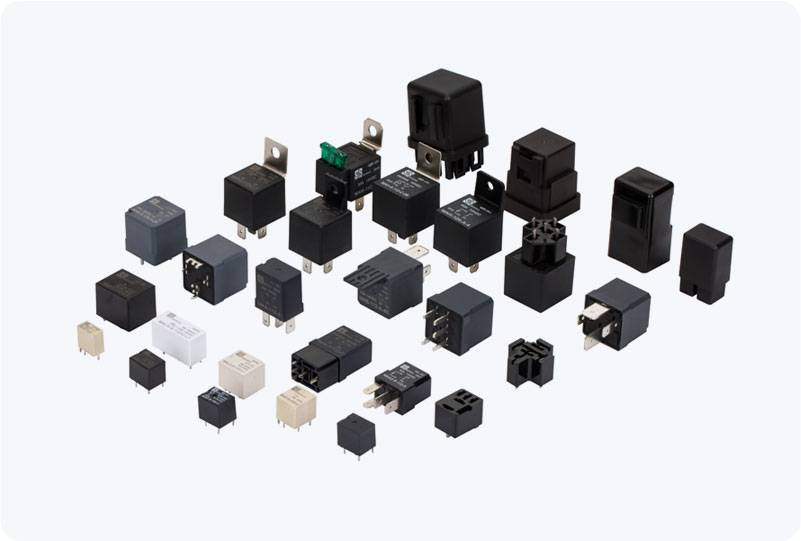
What is a High-Power Relay? A high-power relay is an electrical device designed to control large amounts of electrical power. It is primarily used to switch electrical circuits that require higher voltage and current than what standard relays can handle. These relays are engineered to function in high-current environments while providing electrical isolation between the control and the load circuits. Unlike standard relays, which are typically used in low-power applications, high-power relays are built to withstand the stresses associated with high-voltage and high-current situations. The core components of a high-power relay include an electromagnetic coil, movable contacts, and a spring mechanism. When the control circuit energizes the coil, it generates a magnetic field that moves the contacts, closing or opening the circuit to control the flow of electricity.