The IEC 61811 Power Relay is a key component widely used in various electrical systems to control and switch high-power circuits. As a standard set by the International Electrotechnical Commission (IEC), IEC 61811 outlines the essential specifications, performance characteristics, and testing procedures for power relays, which play a crucial role in modern electrical and industrial applications. This article explores the significance of the IEC 61811 standard, its impact on the power relay industry, and its role in ensuring the reliability and efficiency of power relay devices.
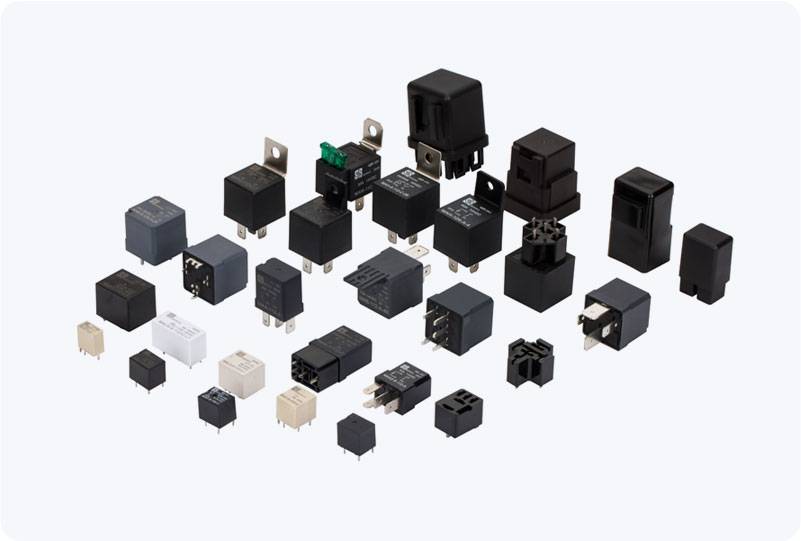
What is IEC 61811 Power Relay? IEC 61811 is a standard that defines the requirements for power relays used to control electrical circuits with significant loads, typically higher than standard relay applications. These relays are designed to handle the power demands of industrial equipment, home appliances, and power systems. The IEC 61811 standard provides guidelines for the operational specifications, environmental resilience, and testing procedures of power relays, ensuring that the devices meet international performance expectations. Power relays covered under this standard are typically electromagnetic relays that can switch a large variety of loads, including motors, lights, and other high-power equipment. The standard specifies the relay’s mechanical, electrical, and environmental performance characteristics to make sure the device operates effectively in diverse conditions, including temperature variations, moisture levels, and electrical surges.