In modern industrial automation, controlling electric motors is a critical aspect of system efficiency and reliability. One of the essential components in motor control is the Industrial Power Relay for Motor Control. These relays serve as the fundamental electrical switch to manage motor circuits, ensuring they start, stop, and run efficiently while protecting the motor from damage. This article delves into the working principles, types, features, and practical applications of industrial power relays in motor control systems.
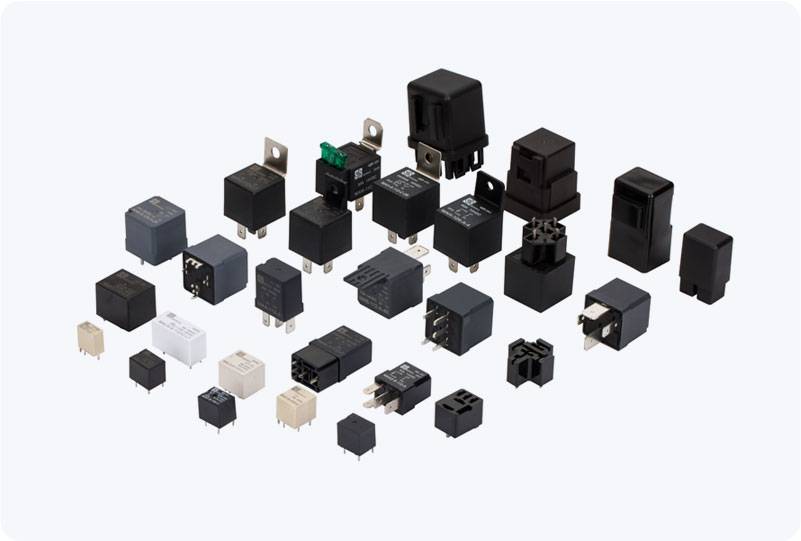
What is an Industrial Power Relay for Motor Control? An Industrial Power Relay for Motor Control is an electromagnetic switching device used to control the operation of electric motors. It acts as an intermediary between the motor and the control system, receiving control signals from external sources (e.g., Programmable Logic Controllers – PLCs, pushbuttons, sensors) and either starting or stopping the motor circuit. Industrial power relays are designed to handle high-power loads and ensure the motor operates within safe conditions. These relays come equipped with various features like overload protection, short-circuit prevention, and fault detection. In addition to motor start and stop operations, they also allow for complex functions like motor direction reversal and delay timers for controlled operations. The use of power relays in motor control applications is essential to improve both safety and performance in industrial settings.