In recent years, the Internet of Things (IoT) has revolutionized the way we interact with our environment. One of the essential components that facilitates this transformation is the IoT Relay Module. This article delves into the functionalities, applications, and advantages of the IoT Relay Module, which acts as a bridge between electronic devices and the smart technology ecosystem.
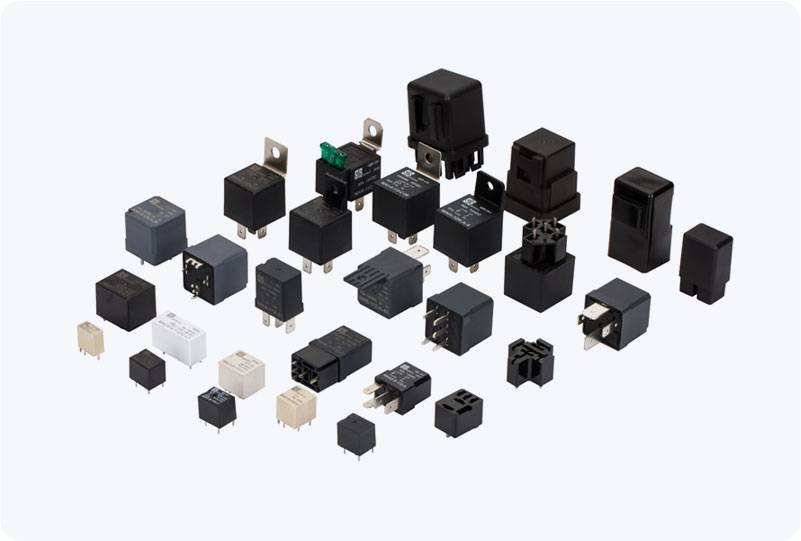
What is an IoT Relay Module? An IoT Relay Module is an electronic component that allows users to control high-power electrical devices remotely via the Internet. It consists of a relay switch that can open or close a circuit based on an electronic signal received from smart devices such as smartphones, tablets, or computers. The module typically includes a built-in microcontroller, communication protocols like Wi-Fi or Bluetooth, and various input/output pins for easy integration with other devices. How Does It Work? The working principle of an IoT Relay Module is relatively straightforward. When a user sends a command through a mobile application or a voice assistant, the signal travels through the internet or local Wi-Fi to the relay module. Upon receiving this signal, the microcontroller within the module activates the relay switch, thereby either connecting or disconnecting power to the electrical device connected to it. This process enables users to turn devices on or off, set timers, and automate various tasks around their homes or workplaces.