In industrial and manufacturing environments, the safety of workers is paramount. One critical safety measure used to protect workers from the unexpected energization or startup of machinery during maintenance and servicing is the lockout/tagout (LOTO) procedure. At the heart of this procedure lies lock out equipment, which consists of devices that ensure energy sources are properly controlled and that workers are safeguarded from potential hazards.
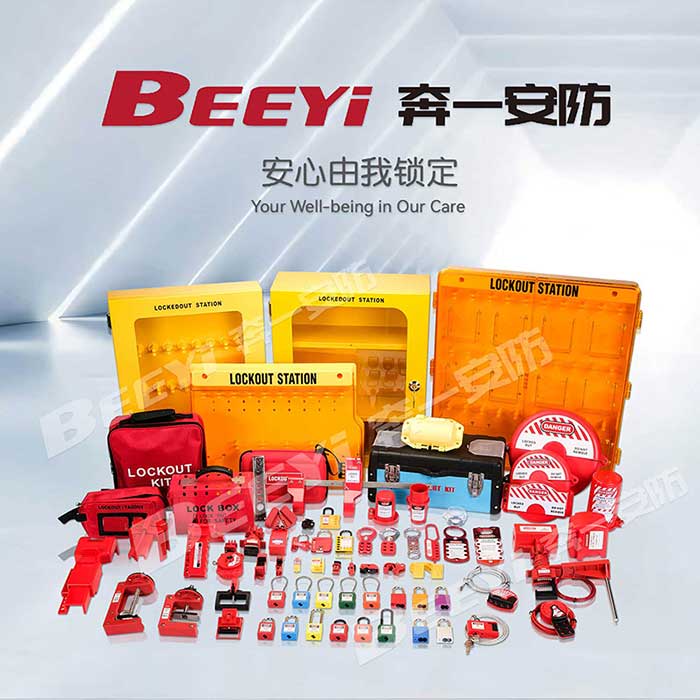
The Importance of Lock Out Equipment Lockout equipment essentially refers to the tools and devices specifically designed to manage hazardous energy during maintenance and repair tasks. This equipment plays a vital role in preventing accidents, injuries, and fatalities that can occur when machinery is inadvertently activated while workers are performing tasks on or near the equipment. In accordance with regulations set forth by safety organizations such as the Occupational Safety and Health Administration (OSHA), the use of lockout/tagout procedures and lockout equipment is not merely a best practice but a legal requirement in many workplaces. Compliance with these regulations not only protects employees but also mitigates risks for employers, reducing the likelihood of costly accidents and legal liabilities.