In industrial settings, the safety of workers is paramount. To safeguard employees while they perform maintenance or servicing tasks on machinery, the Lock Out/Tag Out (LOTO) procedure has been established as a vital safety practice. Central to this procedure are lock out tags, which play a crucial role in ensuring that equipment cannot be inadvertently activated while someone is working on it. This article explores the significance of lock out tags, the LOTO procedure, their implementation, and the benefits they provide in enhancing workplace safety.
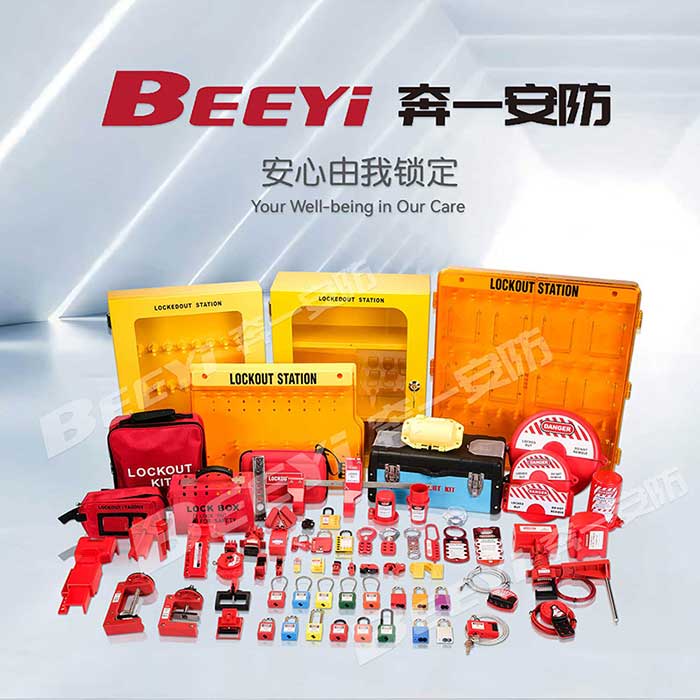
What are Lock Out Tags? Lock out tags are physical markers that indicate when a piece of equipment or machinery has been locked out to prevent its operation. These tags are typically attached to the lockout devices or isolation points, informing all personnel that maintenance or service work is being performed. The tags convey essential information, such as the name of the authorized employee conducting the work, the date, and the nature of the work being carried out. The Importance of Lock Out Tags The primary function of lock out tags is to prevent accidental energy release or unexpected startup of machines during maintenance. Equipment can have multiple energy sources, such as electrical, mechanical, hydraulic, and pneumatic energy, which can pose serious risks if not appropriately managed. Lock out tags serve as a warning to other employees that a unit is inoperable and that they should refrain from removing locks or tags without authorization.