Lock tags play an integral role in ensuring safety and efficiency across multiple industries, particularly in settings where the control and protection of equipment and data are crucial. From database management systems to industrial safety protocols, lock tags are used to prevent unauthorized access, mitigate risks, and improve the overall workflow. In this article, we will delve into the different applications of lock tags and explore their significance in both technological and industrial contexts.
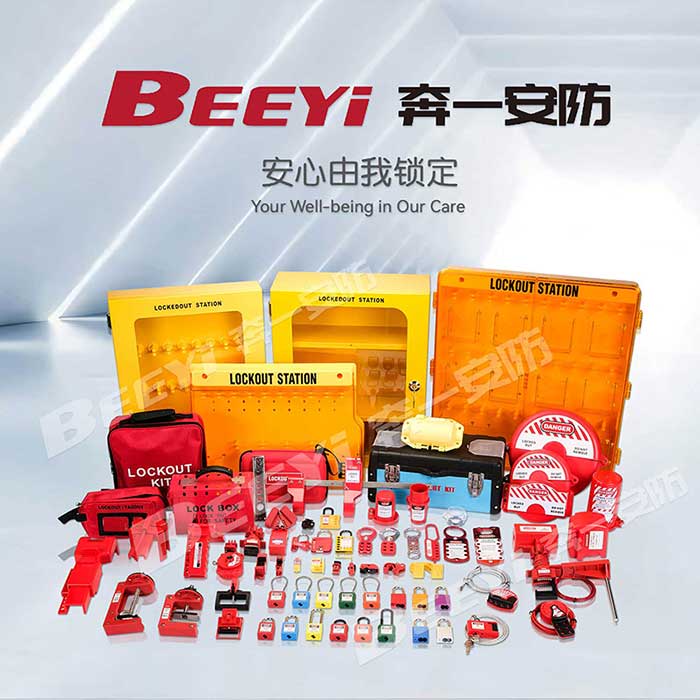
What Are Lock Tags? At its core, a lock tag is an identifier used to mark an object that has been locked or secured. Whether in a database, an industrial facility, or a computer system, lock tags are designed to keep track of locked resources, preventing unauthorized or conflicting access. The concept can be applied in various domains, but the underlying principle is the same: protecting valuable or sensitive assets from misuse or unintentional interference. Lock Tags in Database and Computing Systems One of the most common applications of lock tags is in database management and computing systems. In these environments, databases often deal with large amounts of data and require mechanisms to manage concurrent access. Locking is essential to ensure that data integrity is maintained when multiple users or processes attempt to access the same resource simultaneously.