Lock tags, as a concept, have gained traction across multiple sectors, primarily due to the increasing need for security, traceability, and efficient management. This article explores the significance of lock tags, their applications, and how they enhance various processes ranging from inventory management to internet of things (IoT) frameworks.
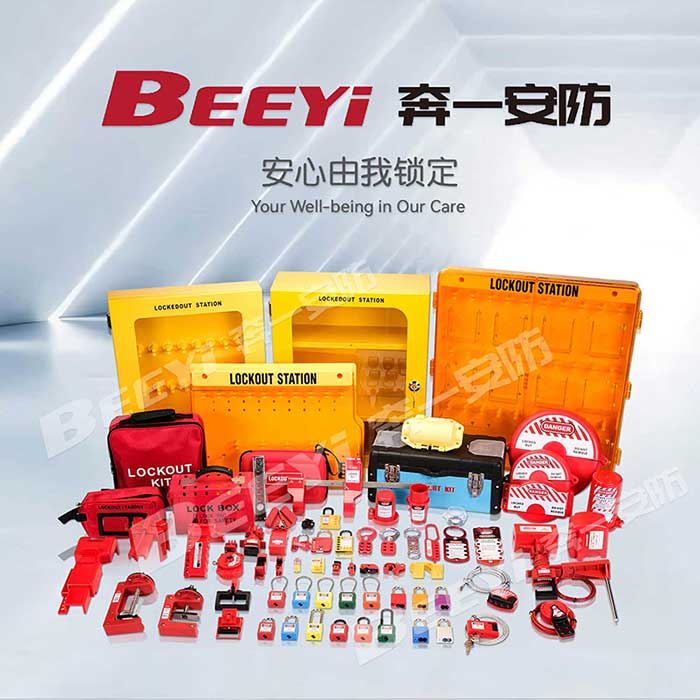
At its core, a lock tag serves as a marker that indicates the status of an object or process, often denoting that it is secured, restricted, or unsanctioned for changes. These tags can be physical devices, like RFID tags, or digital markers in software applications. The fundamental purpose of lock tags is to prevent unauthorized access, alterations, or usage, thus bolstering security across different realms. In inventory management, lock tags play a critical role in ensuring that products are tracked and managed effectively. Businesses often utilize tag systems to monitor their stock levels, movements, and statuses. When an item is tagged with a lock tag, it signifies that the product is either currently in use, reserved for a specific purpose, or not available for sale. This helps companies avoid stock discrepancies and streamline the inventory process. By implementing a lock tag system, businesses can enhance accountability and minimize losses related to theft or mismanagement.