A Normally Open Solenoid Valve is a vital component in many industrial and commercial systems, playing an essential role in the automation of fluid, air, and gas control processes. This type of valve is commonly used in various applications, including water treatment systems, pneumatic systems, and automated machinery. In this article, we will explore the working principle, design features, benefits, and various uses of the Normally Open Solenoid Valve.
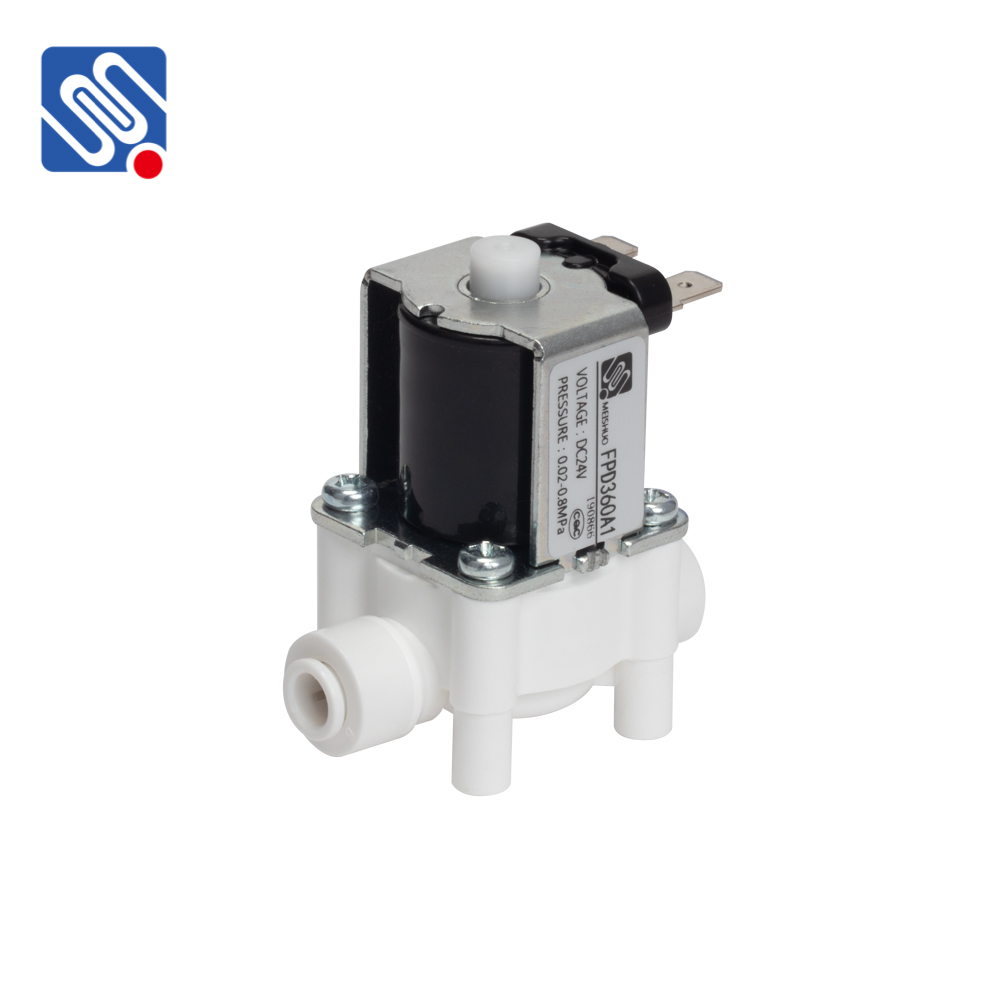
What is a Normally Open Solenoid Valve? A Normally Open Solenoid Valve (NO valve) is an electromechanical valve that, by default, remains open in its unpowered state. It allows fluid or gas to flow freely through the valve when no electrical power is applied. When electricity is applied to the solenoid coil, it generates a magnetic field that pulls or pushes a plunger, which in turn closes the valve, stopping the flow of the fluid or gas. The valve remains closed as long as the power is on and opens again when the power is removed. Working Principle of Normally Open Solenoid Valve
The working principle of a Normally Open Solenoid Valve can be explained through the interaction between the solenoid and the valve’s mechanical components. The solenoid, which is a coil of wire, is powered by an electrical current. In its unpowered state, the valve is open, and the fluid or gas flows freely through the valve. When the solenoid is energized, the magnetic field causes the valve’s plunger or diaphragm to move, blocking the flow and sealing the valve shut.