A one way solenoid valve is a critical component in fluid control systems, renowned for its efficiency in allowing flow in one direction while preventing backflow. In various industrial and domestic applications, these valves play a vital role in ensuring the safe and effective movement of liquids and gases. This article delves into the principles of operation, applications, and advantages of one way solenoid valves, providing a comprehensive overview for those interested in fluid dynamics and automation.
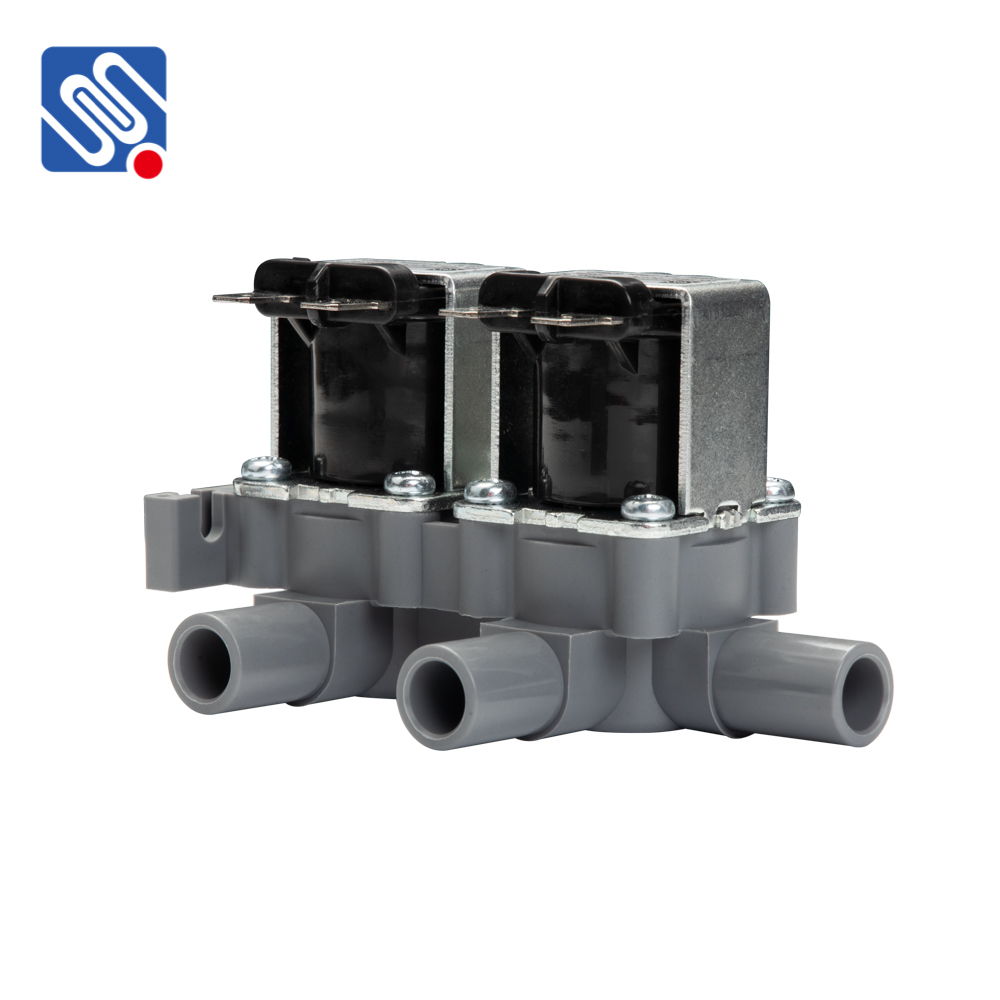
Principles of Operation The operation of a one way solenoid valve is straightforward yet highly effective. The valve consists of two main components: an electromagnetic coil and a valve body. When an electric current passes through the coil, it generates a magnetic field that activates the valve’s mechanism, typically a diaphragm or a plunger, to open the valve. This action allows fluid to flow through the valve in the desired direction. When the electric current is interrupted, the magnetic field dissipates, allowing a spring or gravity to close the valve, thereby stopping the flow. This design ensures that fluid can only move in one specific direction, which is essential in preventing backflow—an issue that can cause significant damage to equipment or lead to contamination in various systems. The construction of these valves is crucial; they are often made from durable materials such as brass, stainless steel, or plastic to withstand different environmental conditions and fluid types.