Programmable Logic Controllers (PLC) have revolutionized the automation industry, enabling precise control and efficient operation of complex systems. One of the key components of a PLC-based automation system is the PLC control relay, which plays an essential role in controlling electrical devices. This article explores the functionality, applications, and importance of PLC control relays in industrial automation.
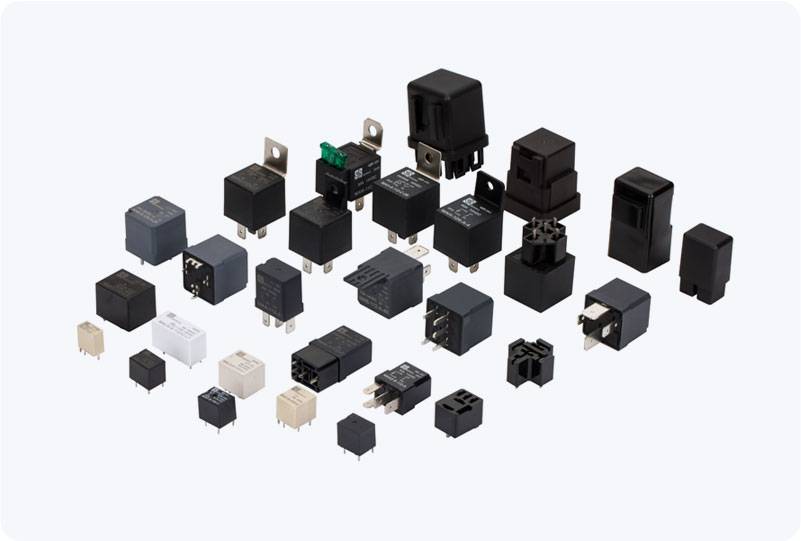
What is a PLC Control Relay? A PLC control relay is an electromechanical or solid-state device used to control the opening and closing of electrical circuits. It is typically integrated into a PLC system to perform switching operations based on the logic defined in the PLC’s program. These relays are used for switching power to motors, lights, solenoids, and other electrical devices in response to specific conditions or inputs received from sensors, switches, or other inputs. Functionality of PLC Control Relays PLC control relays operate in a similar manner to traditional mechanical relays but are controlled by a PLC rather than a manual switch. The PLC processes inputs from the field devices (such as sensors or pushbuttons) and uses the pre-programmed logic to make decisions about controlling the relay. When the PLC determines that a certain condition has been met, it sends an output signal to activate or deactivate the relay.