Relays are essential components in electrical and electronic systems, serving as electrically operated switches that allow one circuit to control another. Understanding relay characteristics is crucial for engineers, technicians, and hobbyists alike, as these features directly affect performance, reliability, and suitability for specific applications. This article explores the fundamental relay characteristics, their significance, and practical considerations.
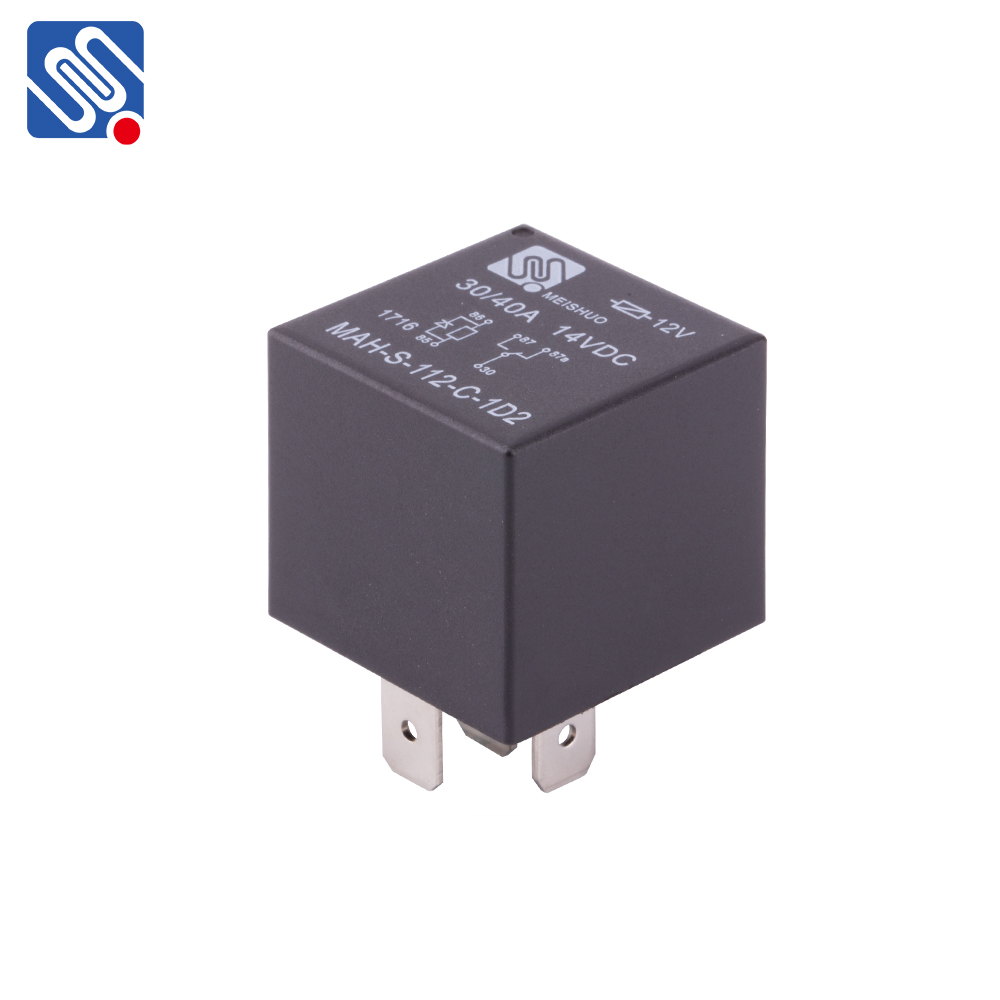
One of the primary characteristics of a relay is its operating principle. Most relays use an electromagnetic coil to create a magnetic field when energized. This magnetic field attracts a movable armature, which in turn opens or closes electrical contacts. This basic mechanism enables a small input current to control a much larger load current, making relays invaluable for automation and protection circuits. Another important characteristic is the contact configuration. Relays can have normally open (NO), normally closed (NC), or changeover (CO) contacts. Normally open contacts remain disconnected when the relay is de-energized and close when energized, while normally closed contacts behave oppositely. Some relays combine NO and NC contacts within a single unit, providing flexibility for complex circuit designs. Selecting the right contact configuration ensures that the relay performs the intended control function.