Relay circuit protection is an essential component of modern electrical systems, ensuring the safety and longevity of various devices and circuits. As technology continues to advance, the demand for reliable and efficient electrical systems increases, making the knowledge of relay circuit protection critical for engineers, technicians, and anyone involved in electrical applications. This article delves into the fundamentals of relay circuit protection, its types, operational principles, applications, and importance in safeguarding electrical equipment.
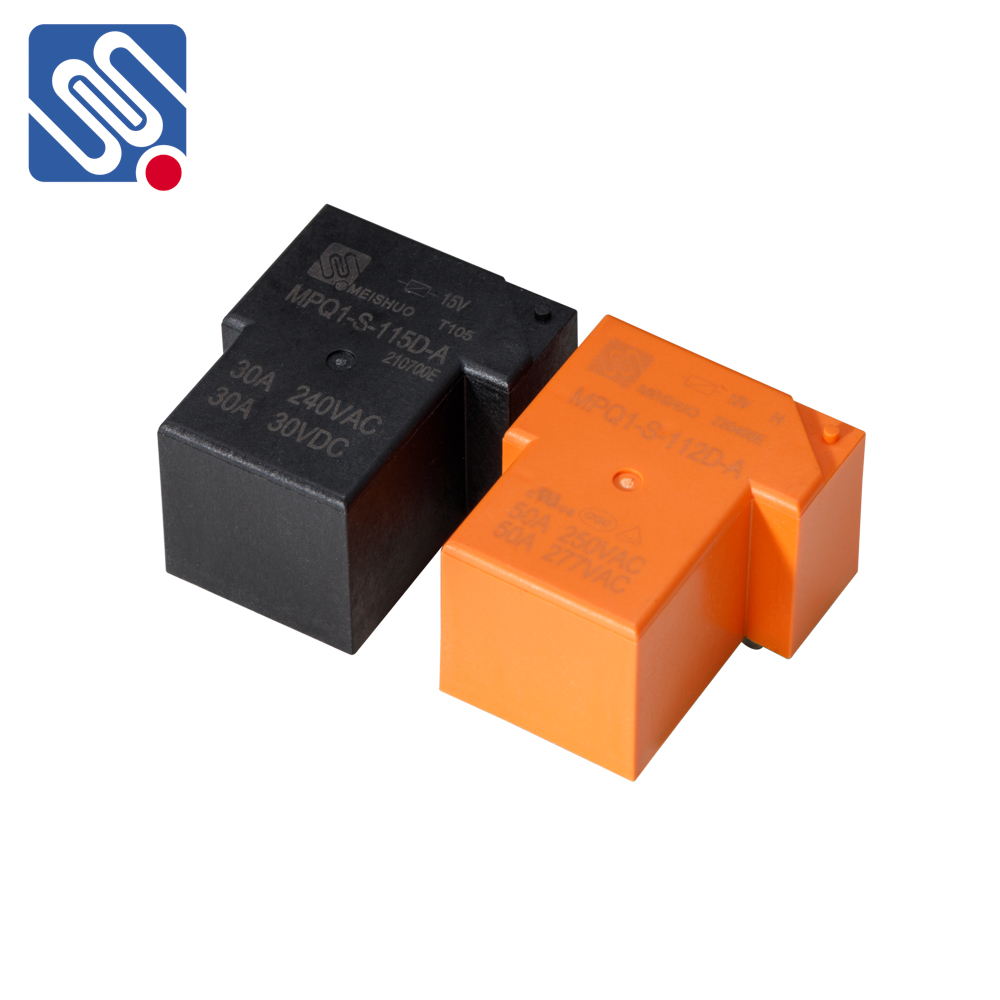
What is Relay Circuit Protection? At its core, relay circuit protection involves the use of relays to control electrical circuits and protect them from faults such as overloads, short circuits, and other potentially damaging conditions. By acting as a switch that can be activated by an electrical current, relays serve as a critical line of defense in preventing equipment damage and ensuring safety. How Do Relays Work? Relays operate on the principle of electromagnetism. When an electrical current flows through a coil within the relay, it generates a magnetic field. This magnetic field attracts an armature, which closes or opens contact points in the main circuit. In this way, a small control signal can manage a larger power circuit. Relays can be classified into various types based on their operating mechanisms, including electromagnetic relays, solid-state relays (SSRs), and thermal relays.