Relay current is a fundamental concept in electrical engineering, especially in the fields of power systems, automation, and electronic circuit design. It refers to the electrical current associated with the operation of a relay, a device used to control circuits by opening or closing contacts in response to an input signal. Although the term may seem straightforward, its meaning can vary depending on the context in which it is used. This article explores the concept of relay current, its types, applications, and significance in modern electrical systems.
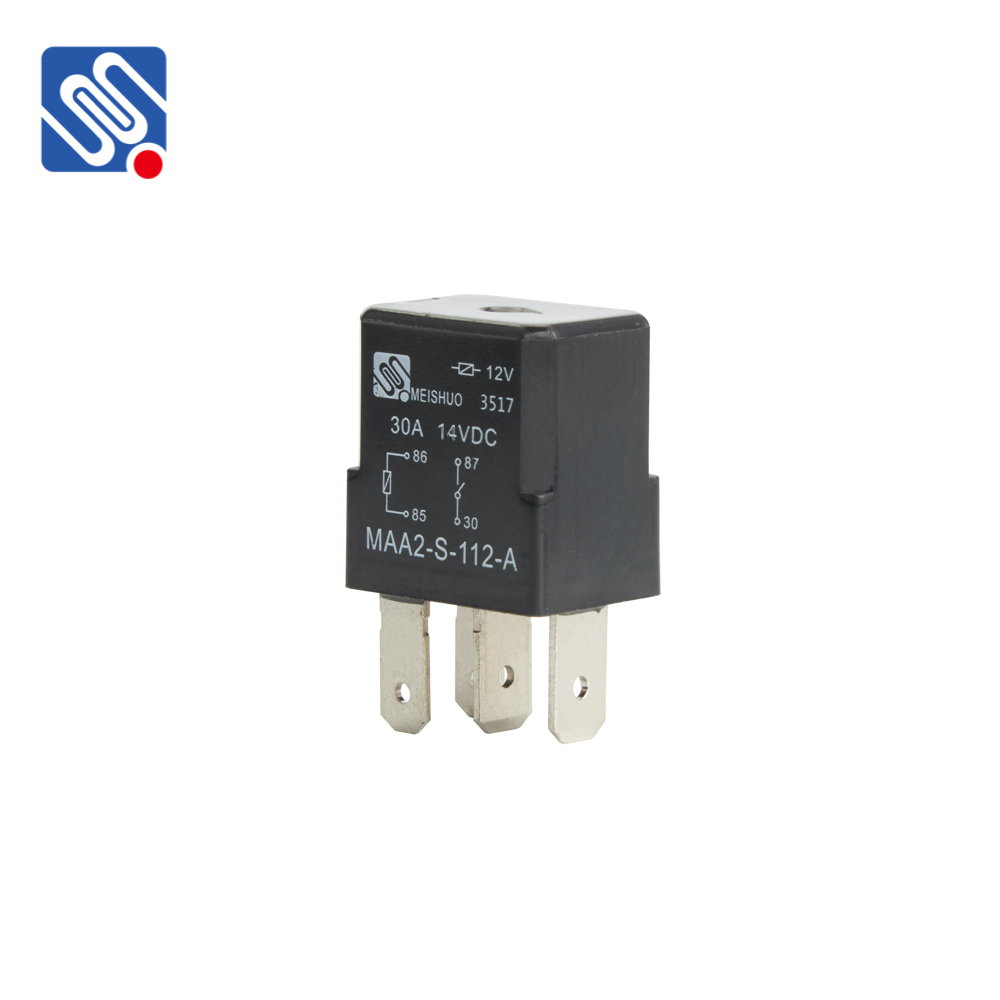
At its core, a relay is an electromechanical or solid-state switch that uses a small input signal to control a larger electrical load. In traditional electromechanical relays, a coil is energized by a current, creating a magnetic field that moves a mechanical armature to open or close contacts. In this context, relay current often refers to the current flowing through the relay coil, also known as the coil current. This current must reach a certain threshold, known as the pickup current, for the relay to operate. If the current drops below a certain level, called the dropout current, the relay returns to its original state.