In modern automobiles, relays are essential components in the electrical systems, serving as switches that control high-current devices with low electrical inputs. Relays can manage functions such as headlights, fuel pumps, and engine starters, among others. However, like any electrical component, relays can experience failure, often leading to significant vehicle issues. This article will delve into common relay failure modes in cars, their symptoms, and possible solutions.
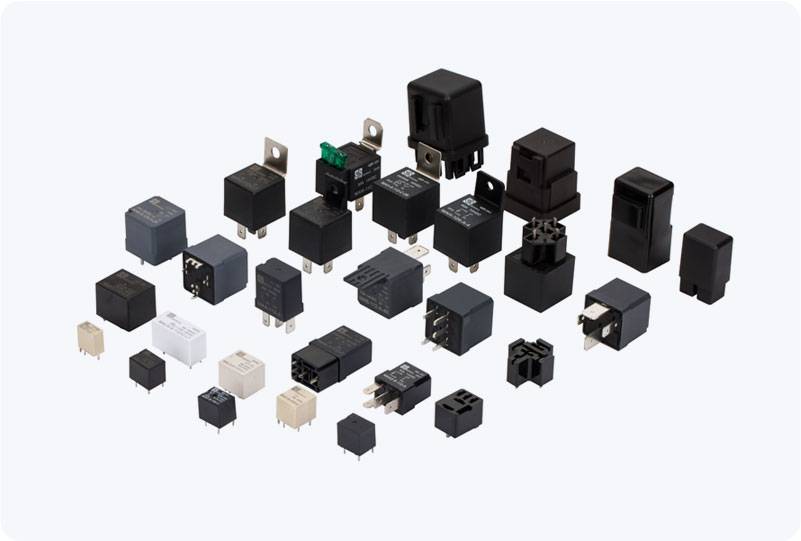
1. Poor Contact Points One of the most common failure modes in relays is the degradation of contact points due to wear, corrosion, or contamination. Over time, these contact points can become pitted or oxidized, leading to poor conductivity. Symptoms may include intermittent operation of connected devices—such as flickering headlights or a fuel pump that only sometimes activates. Solution: Regular maintenance that includes checking and cleaning electrical connections can help mitigate these issues. If corrosion is extensive, replacing the relay is often the most effective solution. 2. Coil Failure