Relays are integral components in various electrical and electronic systems. Their primary function is to control the flow of current in circuits, making them crucial for automation, protection, and safety systems in industries like power, automotive, and home appliances. Given their importance, industry standards are essential to ensure that relays meet safety, performance, and reliability requirements. These standards govern relay design, testing, and application, guiding manufacturers to produce devices that can withstand different environments and ensure optimal operation. This article explores key relay industry standards that shape the development and deployment of relays worldwide.
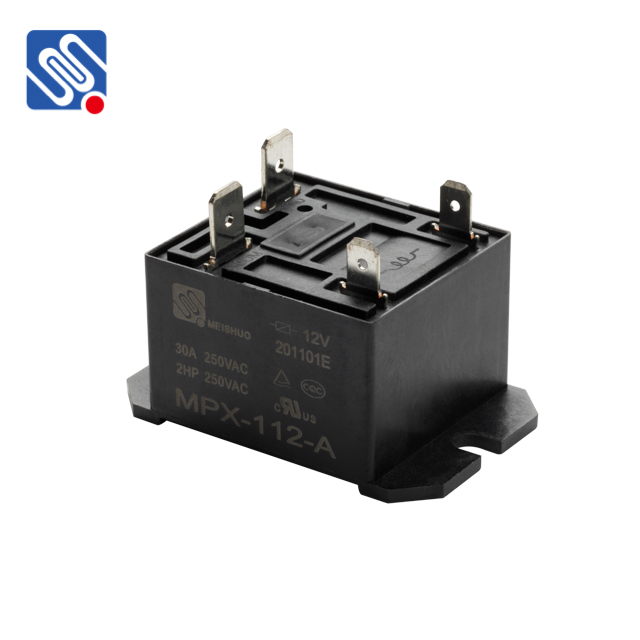
1. IEC 61810 – International Standard for Relays The IEC 61810 series, developed by the International Electrotechnical Commission (IEC), is one of the most comprehensive and widely recognized standards for relays. It covers a broad range of relay types, including general-purpose relays, protection relays, and specific applications like automotive and industrial control. The standard sets out essential requirements for electrical, mechanical, and environmental performance. For example, IEC 61810 specifies the necessary operational life cycle of a relay, ensuring that it can perform reliably over extended periods, especially in demanding conditions. It also provides guidance on insulation, temperature ranges, and resistance to vibration and shock, which are crucial for ensuring that relays can operate safely in different environments. Manufacturers adhere to this standard to ensure that their products meet international safety and reliability requirements.