In modern electrical and electronic systems, managing and controlling high-power loads effectively is crucial. One of the most reliable methods used for this purpose is the use of relays, specifically what is commonly referred to as “relay load.” Relays serve as an interface between low-power control circuits and high-power devices, allowing for safer, more efficient operations.
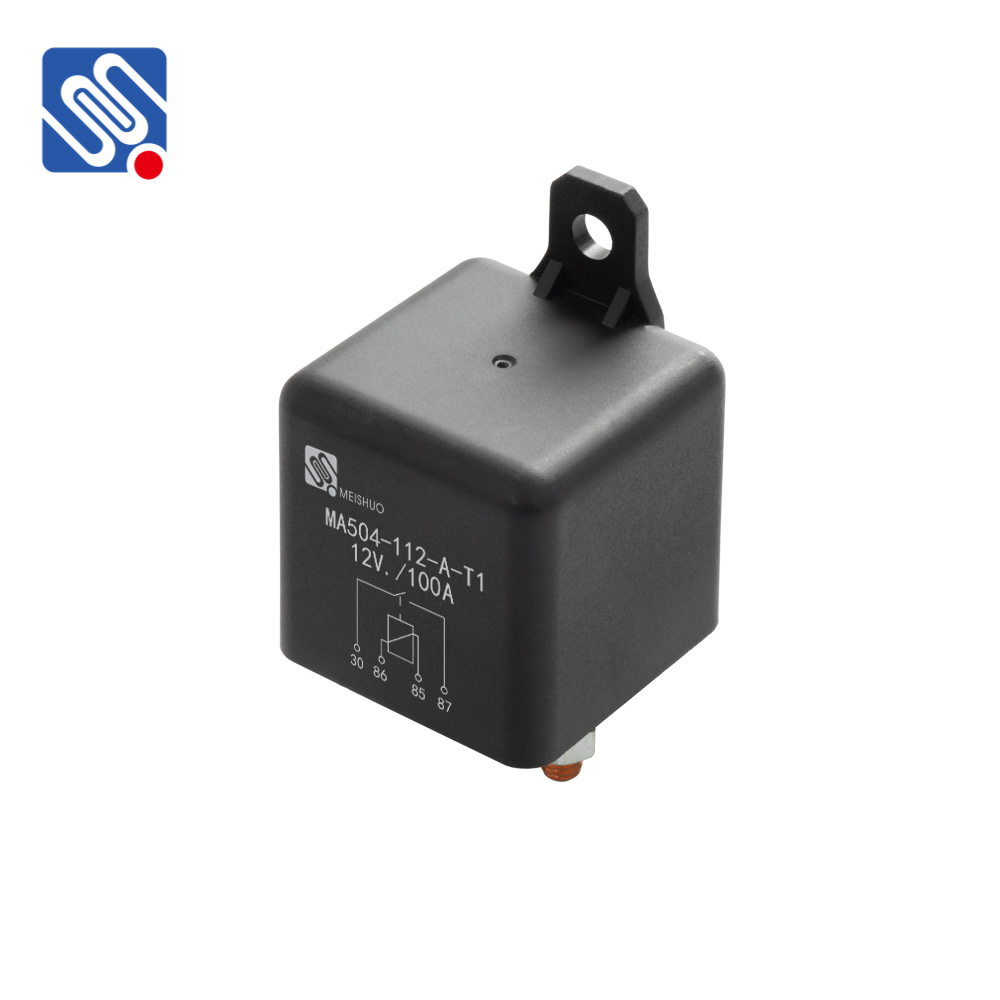
What is a Relay? A relay is an electromechanical switch that allows current to flow through its contacts when activated by an electrical signal. It consists of an electromagnetic coil and a set of contacts. When current flows through the coil, it generates a magnetic field that attracts a movable arm or contact, thereby closing or opening the circuit connected to the load. This process is fundamental in applications where high voltage and currents need to be controlled by relatively low power control circuits. The Importance of Relay Load The term “relay load” primarily refers to the load (such as a motor, light fixture, or heating element) that is connected to a relay. This setup provides several advantages: