Relay reliability is a critical aspect of electrical and mechanical systems that rely on relays for switching operations. Whether in automotive applications, industrial machinery, or telecommunications, the ability of a relay to consistently perform its intended function without failure is paramount. This article delves into the concept of relay reliability, the factors that influence it, and the various testing methods used to ensure optimal performance over time.
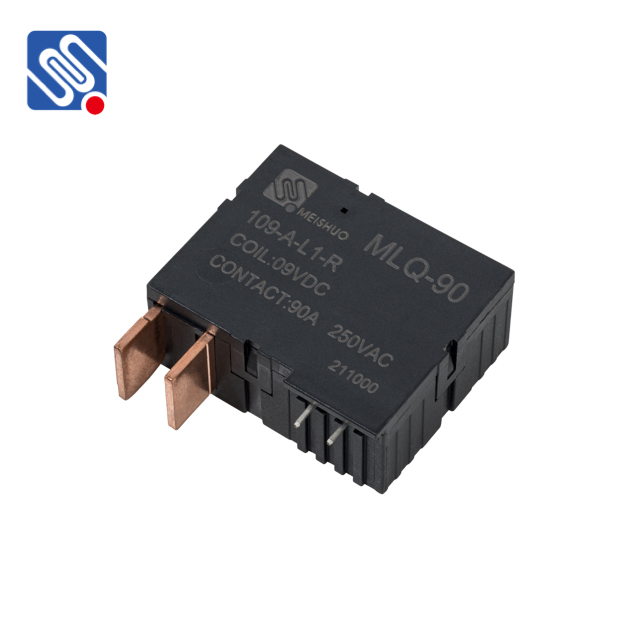
What is Relay Reliability? Relay reliability refers to the ability of a relay to operate effectively and without failure over a specified period and under prescribed conditions. In practical terms, it is the probability that a relay will perform its intended function—such as opening or closing a circuit—without failure, for a defined time span. Reliability is often quantified using metrics like Mean Time Between Failures (MTBF), failure rate, and life cycle, which provide valuable insights into the longevity and dependability of a relay. Key Metrics in Relay Reliability Several key metrics are used to measure relay reliability: