Relay safety standards play a crucial role in the electrical and automation industry, providing guidelines and regulations that ensure the safety, reliability, and functionality of relay systems. As technology advances and the demand for reliable electrical components increases, these standards have become indispensable in safeguarding both equipment and human life.
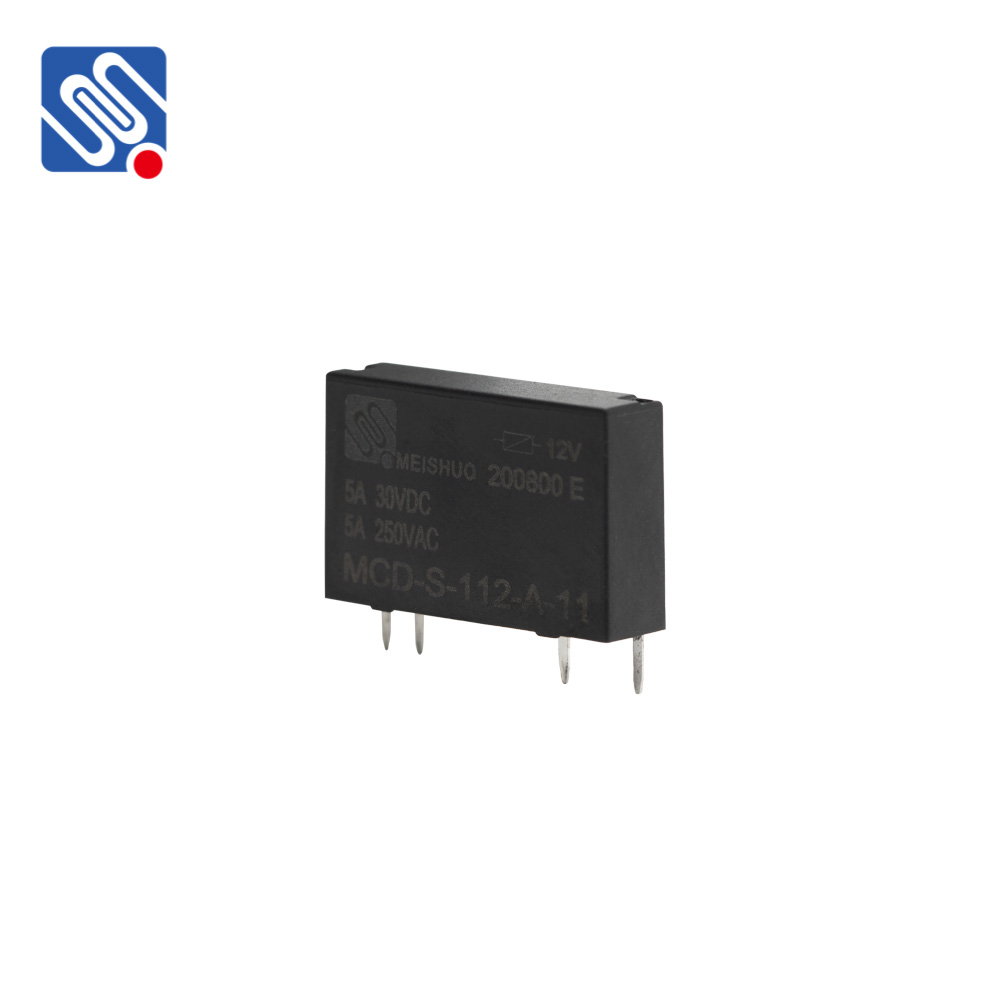
Relays are electromagnetic switches that control the flow of electricity in a circuit, and they are widely used in various applications, from simple household devices to complex industrial machinery. Due to the critical nature of their functions and the potential risks associated with their failure, stringent safety standards have been established globally to ensure that relays are manufactured, tested, and implemented correctly. Among the most recognized set of standards is the IEC 61810 series, developed by the International Electrotechnical Commission (IEC). This standard outlines the safety requirements for electromechanical relays, specifying various aspects such as mechanical and electrical performance, environmental considerations, and reliability testing. These guidelines ensure that relays can withstand the rigors of different operating conditions and maintain their functionality over time.