Relay signals play an essential role in modern electrical and automation systems, enabling efficient control over various machines and devices. These signals are transmitted through relays, which act as switches, allowing a low-power control circuit to manage high-power loads safely. In this article, we will explore the concept of relay signals, their types, applications, and the significant role they play in electrical engineering.
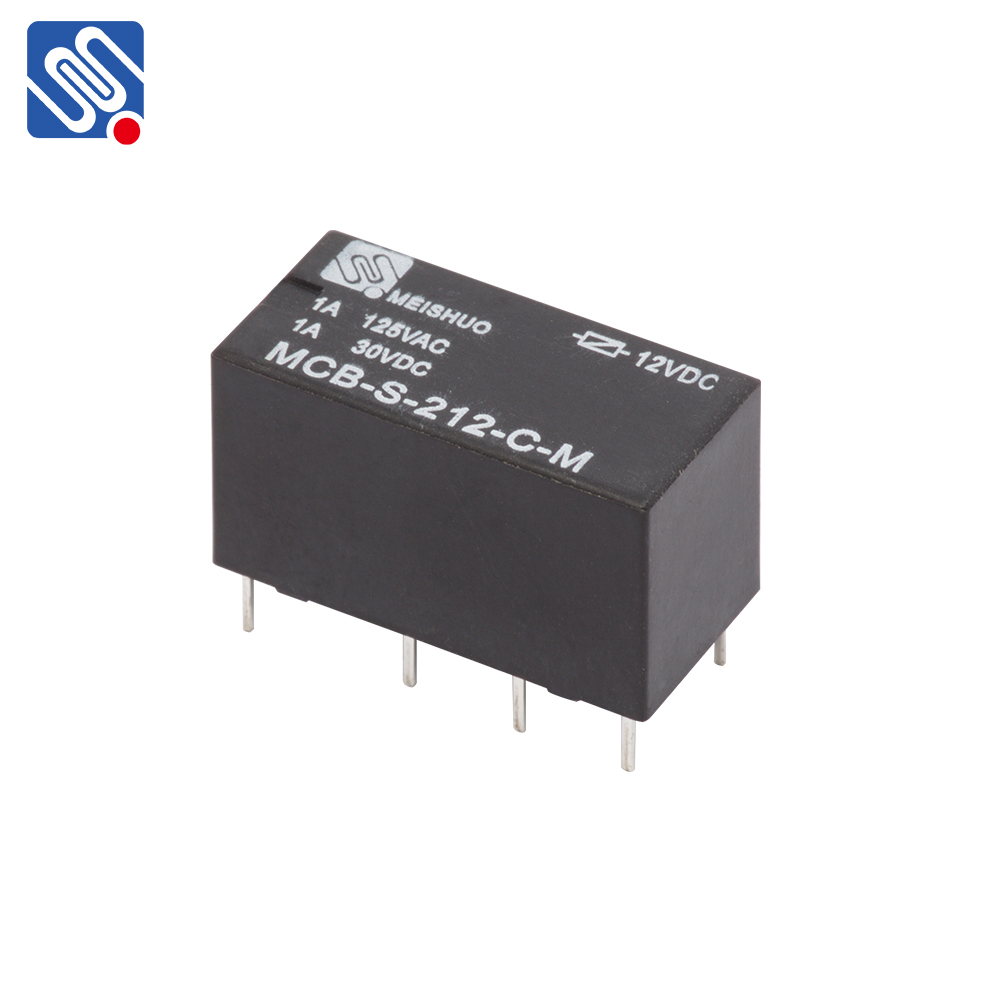
What Are Relay Signals? At their core, relay signals refer to the electrical signals used to activate or deactivate relays, which are electromagnetic switches. A relay consists of an electromagnet, a set of contacts, and a spring mechanism. When a low-power electrical signal is applied to the relay’s coil, it creates a magnetic field that moves the contacts, either closing or opening them. This action controls the flow of current in the circuit, allowing the relay to act as a switch. The beauty of relay signals lies in their ability to control high-power systems with relatively low-power input. This feature is invaluable in industries where it is impractical or unsafe to directly operate high-voltage equipment with human hands or other control mechanisms.