Relays are essential components in electrical systems, serving as automatic switches controlled by an external signal. These devices allow low-power circuits to control high-power systems, ensuring efficient and safe operation in various applications, such as automation, protection, and remote control. Understanding relay specifications is crucial for selecting the right relay for a specific application, as the wrong choice can lead to equipment failure, inefficiency, or even safety hazards. In this article, we will explore the key specifications of relays, their significance, and how they impact performance in real-world applications.
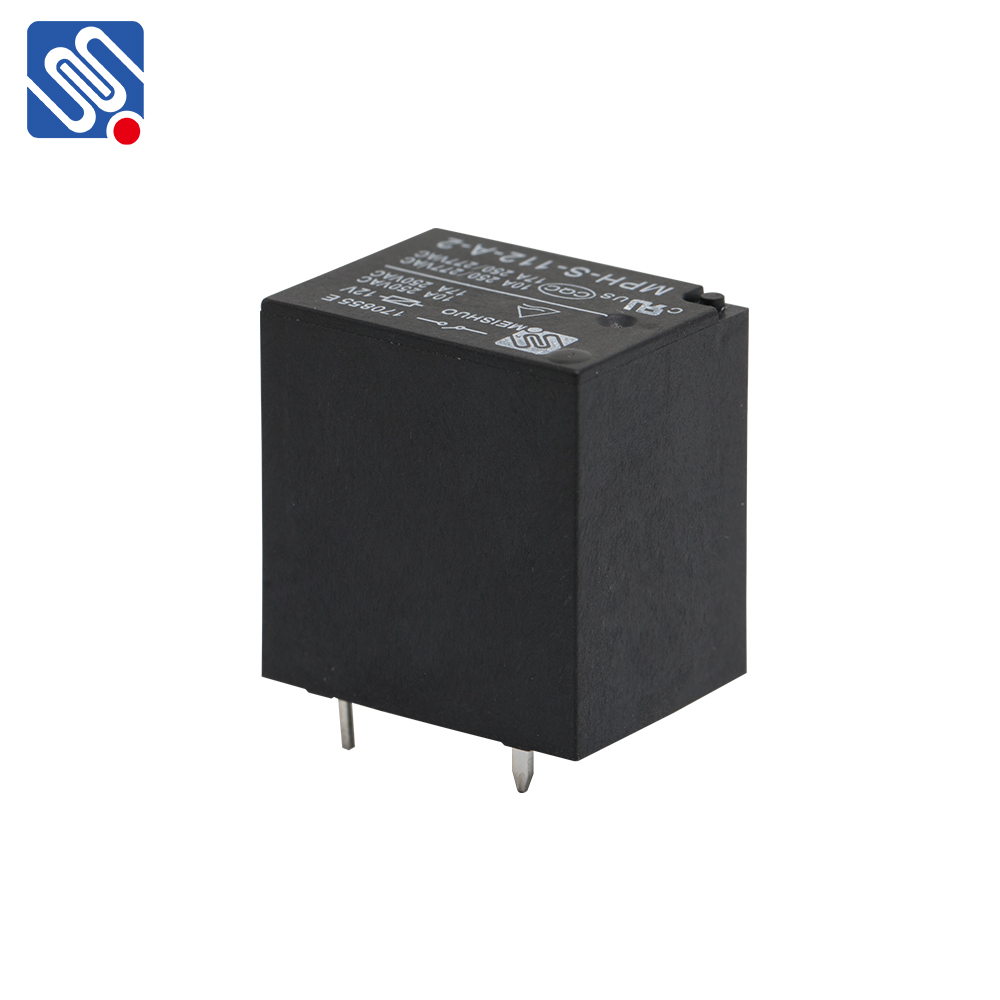
1. Contact Type and Current Rating Relays are often categorized by the type and number of contacts they possess. The most common types are: SPST (Single-Pole Single-Throw): These have a single contact that can either be in the normally open (NO) or normally closed (NC) position. SPDT (Single-Pole Double-Throw): This type features one common contact and two selectable positions—one for normally open (NO) and the other for normally closed (NC). DPDT (Double-Pole Double-Throw): These relays have two sets of contacts, offering more flexibility in switching circuits. The current rating of the relay is a critical factor, as it determines the maximum current the relay can handle through its contacts without overheating or causing damage. For example, a relay might have an 8A or 16A current rating, which defines its capacity to control devices that draw significant electrical power. It’s important to choose a relay with a current rating higher than the maximum expected load to ensure long-term reliability.