Relay systems play an integral role in modern electrical and electronic circuits, allowing for the controlled switching of larger loads using a smaller, manageable input voltage. Among the critical characteristics of these systems is “relay voltage,” which refers to the voltage required to energize the relay’s coil, enabling it to operate its contacts. This concept is crucial for both designing and implementing reliable and efficient control systems in various applications.
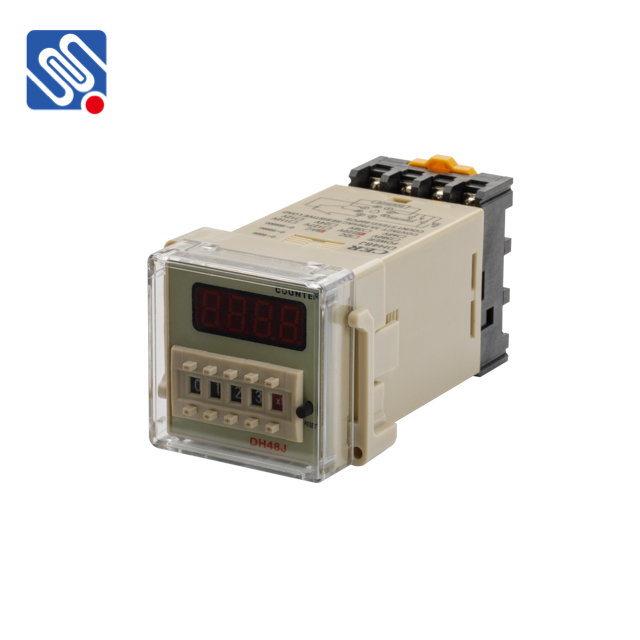
What is Relay Voltage? Relay voltage specifically denotes the voltage level that must be applied to the relay coil to activate it. Relay coils can be designed to operate on either Direct Current (DC) or Alternating Current (AC), with common voltage ratings including 5V, 12V, 24V, 110V, and 220V. The choice of relay voltage is essential because it directly impacts the relay’s functionality, switching capabilities, and the types of loads it can manage. The operation of a relay is based on electromagnetic principles. When the designated relay voltage is applied to the coil, it creates a magnetic field that attracts an armature, causing the contacts to either open or close. This action allows or interrupts the flow of current in another circuit, enabling the control of significant power loads with a much lower voltage signal.