In modern industrial environments, safety is paramount. Equipment and processes need to be closely monitored to prevent accidents and ensure the well-being of personnel. One critical component in safeguarding industrial operations is the Safety Relay SIL 3. This device plays a crucial role in achieving high levels of functional safety by detecting hazardous conditions and taking appropriate actions to prevent accidents. In this article, we will explore what Safety Relay SIL 3 is, how it works, its applications, and why it is so important in industrial safety systems.
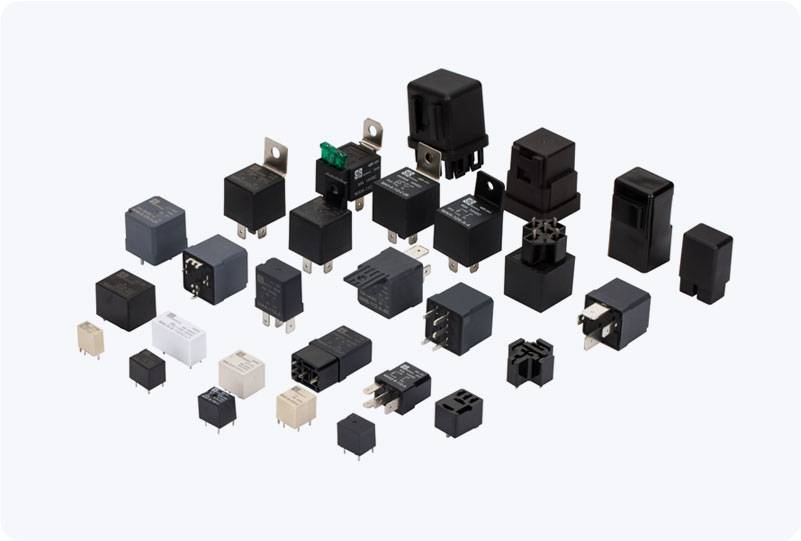
What is a Safety Relay SIL 3? A Safety Relay is an electrical relay designed to monitor safety-related circuits and intervene when hazardous conditions are detected. Its primary function is to control safety devices such as emergency stops, light curtains, safety doors, and mats. When a safety issue is detected, the relay ensures that the machinery or system is immediately halted, preventing accidents and protecting both workers and equipment. The SIL (Safety Integrity Level), as defined by standards such as IEC 61508 and IEC 62061, is a measure of the reliability of a safety function. SIL levels range from SIL 1 to SIL 4, with SIL 3 being one of the highest levels of safety integrity. A Safety Relay SIL 3 meets stringent requirements for detecting faults and performing its safety function with high reliability. These relays are often used in environments where the risk of injury or significant damage is high.