Scaffolding Lockout Tags are an essential safety tool used in the construction industry to prevent accidents and ensure the well-being of workers. These tags are a part of the larger Lockout/Tagout (LOTO) safety program, which is designed to control hazardous energy during maintenance or repair work. When applied to scaffolding systems, these tags serve as an essential barrier to prevent the accidental activation of equipment, machinery, or scaffolding that could result in serious injury or death. This article will explore the importance of scaffolding lockout tags, how they work, and why they are crucial in maintaining safety on construction sites.
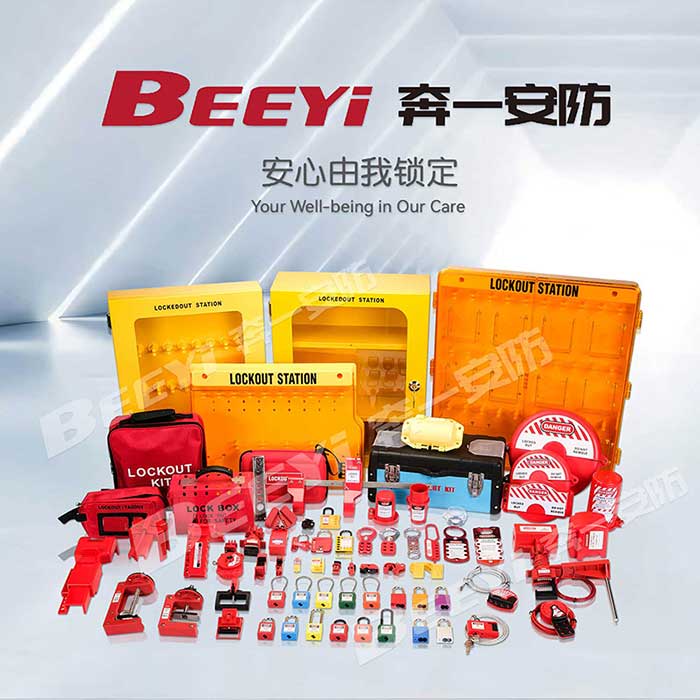
What are Scaffolding Lockout Tags? Scaffolding Lockout Tags are physical labels attached to scaffolding or scaffolding components during maintenance, repair, or installation. These tags are part of the Lockout/Tagout safety procedure, which is a set of practices and procedures intended to safeguard workers from the dangers posed by the unexpected release of hazardous energy. The primary function of the tag is to indicate that the scaffolding or scaffolding-related systems should not be operated or used until the maintenance or repair work is completed. The lockout system itself usually involves placing a lock on the equipment or scaffolding parts to prevent unauthorized use. In combination with the lock, a tag is placed that provides important information about the condition of the scaffolding and alerts workers to the fact that the system is out of service.