The 12V 60A relay is a crucial component in modern electrical and electronic systems, particularly where high-current devices need to be controlled safely and efficiently. As an electromechanical switch, it allows a low-voltage control circuit to operate a much higher power load, bridging the gap between control and power systems. This article explores the functionality, applications, and important considerations of the 12V 60A relay, providing a comprehensive understanding for engineers, hobbyists, and enthusiasts alike.
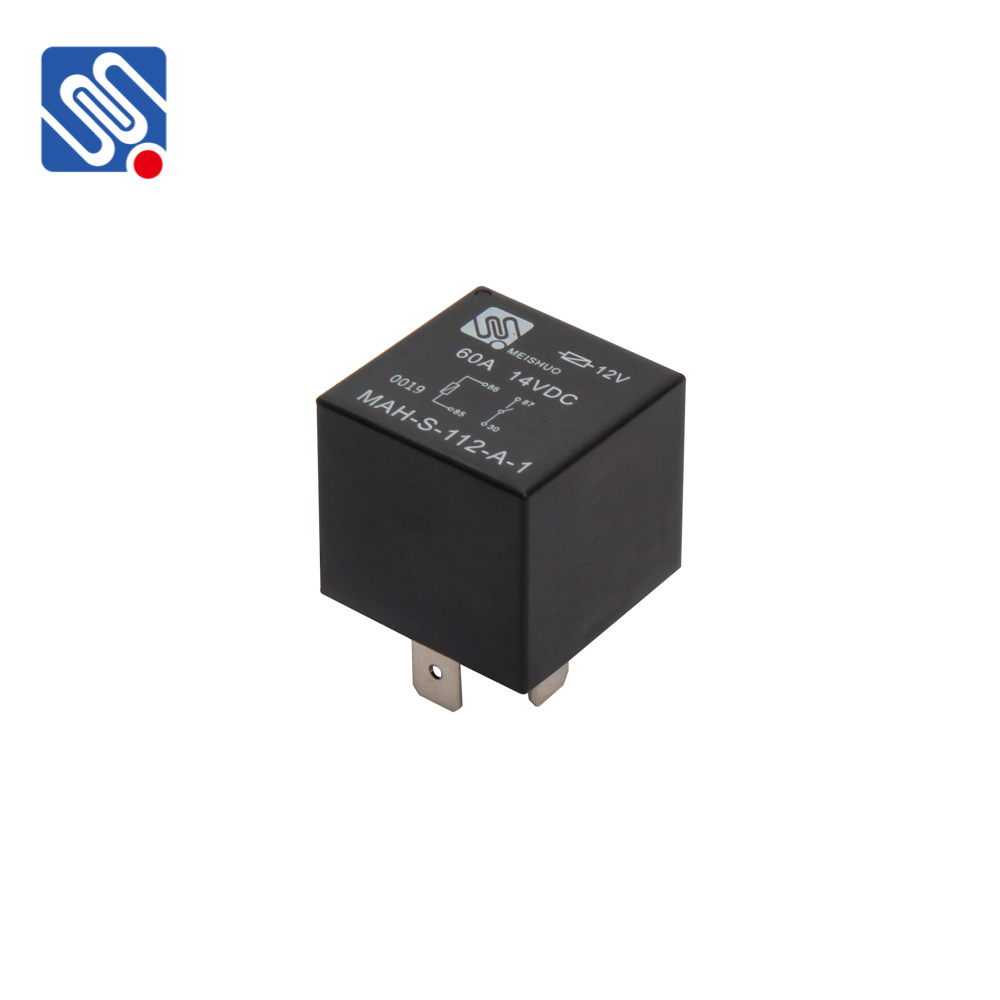
At its core, the 12V 60A relay operates on a simple principle: a small electrical current passing through the relay’s coil generates a magnetic field, which mechanically moves the internal contacts. These contacts can either open or close a circuit, depending on the relay design. The “12V” specification refers to the voltage required to energize the coil, while “60A” indicates the maximum current the relay can safely switch. This high current rating makes it suitable for controlling devices like motors, heaters, and high-power lighting systems, which often exceed the capacity of standard switches.