The 12V automotive relay is an essential component in modern vehicle electrical systems. It serves as an electromagnetic switch that helps manage the flow of electrical power to various high-current components, such as headlights, fuel pumps, and air conditioning systems, without overloading the vehicle’s primary circuits. This article provides an overview of how a 12V automotive relay works, its key features, common applications, and the importance of its use in vehicles.
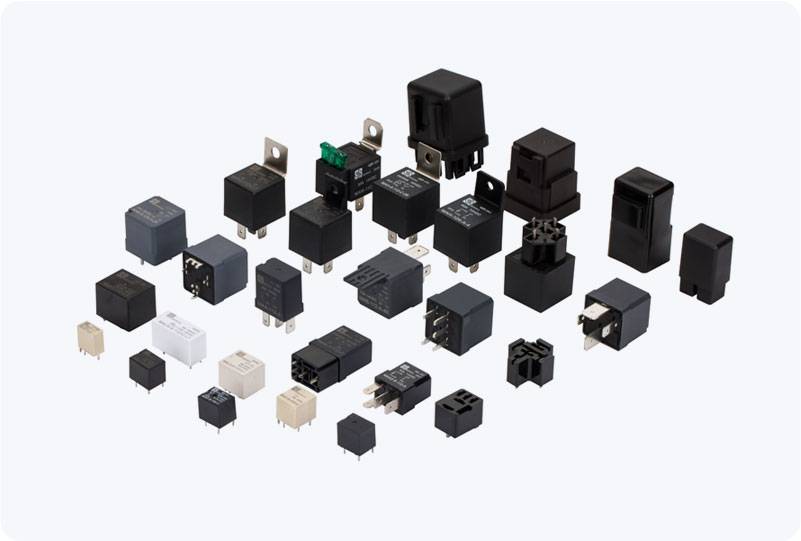
What is a 12V Automotive Relay? At its core, a 12V automotive relay is a switch that operates using a small electrical current to control a larger electrical load. It functions as a form of “remote control” for high-power components, allowing the vehicle’s control system to activate or deactivate these components without requiring direct interaction with the larger electrical circuits. This small electrical current is typically 12V DC, which corresponds to the standard voltage of most vehicle electrical systems. A typical automotive relay has a coil that generates a magnetic field when current passes through it. This magnetic field moves an internal contact (or armature) that either closes or opens a set of contacts. In a relay with a normally open contact, the circuit is only completed when the relay is activated, allowing current to flow to the component it controls.